Why Choose Smart Vending Solutions for Global Business? Le Tach Vending Pte Ltd - Vending Machine Singapore, Hot and Cold Vending, Can Vending, Snack Vending

Why Choose Smart Vending Solutions for Global Business?

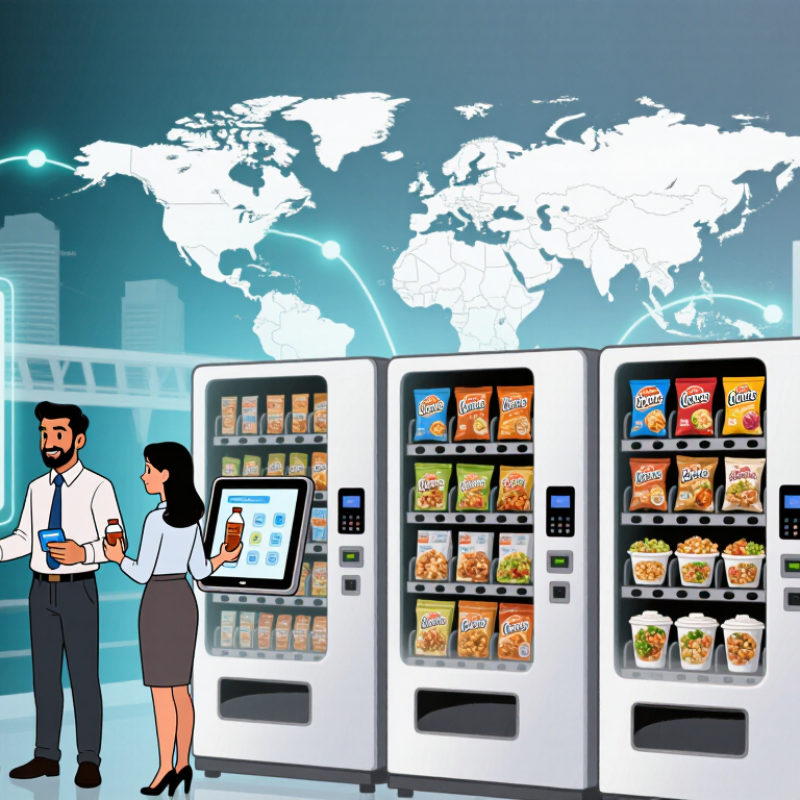
Global business is changing at the point of purchase. Employees want quick access to water, snacks, meals, and essential workplace items. Customers expect simple payments, clean machines, and reliable availability. Vending Solutions can meet these expectations without requiring a full retail store.

Smart machines use cashless payments, inventory alerts, sales data, and remote monitoring. A business can see which products sell at 8 a.m. and which remain untouched by Friday afternoon. That visibility supports better purchasing decisions. It can also reduce unnecessary travel, stockouts, and product waste. Small details matter.

Ravi Venkatesan, a recognized leader in the Vending Solutions industry, describes the central idea this way: “Technology matters only when it makes everyday purchasing simpler, safer, and more measurable.” His point reflects practical experience. A connected machine is not automatically a successful machine. It still needs thoughtful placement, accurate pricing, regular cleaning, and responsive maintenance.

For global companies, the benefits extend beyond convenience. Smart vending programs can support consistent customer experiences across offices, hotels, campuses, and transport locations. However, one model will not fit every market. Payment preferences, product demand, language, accessibility, and local consumer standards can differ sharply. That is where planning becomes important.

The approach is not perfect.

Poor data can produce poor decisions. Weak service can damage trust quickly. Businesses must also protect payment information and offer products that meet applicable safety and labeling requirements. When technology is combined with human oversight, Vending Solutions become more than automated cabinets. They become measurable, adaptable retail channels built for changing customer needs.
Why Choose Smart Vending Solutions for Global Business?

What Are Smart Vending Solutions?

Why Choose Smart Vending Solutions for Global Business?

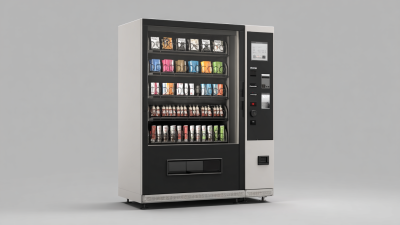
Smart vending solutions combine automated retail equipment with sensors, cloud software, digital payments, and real-time reporting. Unlike traditional machines, they can track stock levels, product temperatures, sales patterns, and technical faults remotely. Operators receive alerts before empty shelves become a customer problem.

According to Grand View Research’s 2024 market analysis, the global smart vending machine market is projected to grow strongly through 2030, supported by cashless payments and connected devices. This growth reflects changing consumer habits. People expect quick purchases, clear prices, and reliable payment options. Smart systems can support these expectations across offices, transport hubs, hospitals, and universities. However, technology is not automatically efficient. Poor connectivity, inaccurate sensors, or weak maintenance can still interrupt sales.

Tips: Start with a limited product range. Test payment reliability, temperature control, and replenishment times. Use local transaction data before expanding to another country. According to the National Automatic Merchandising Association, cashless payment adoption has become a major operational trend in vending. Still, cashless does not mean universal. Keep accessible payment alternatives where local customers need them. Review privacy settings carefully, because collecting more data is not always better. The smartest plan may be less ambitious at first.

How Do Smart Vending Machines Work?

Why Choose Smart Vending Solutions for Global Business?

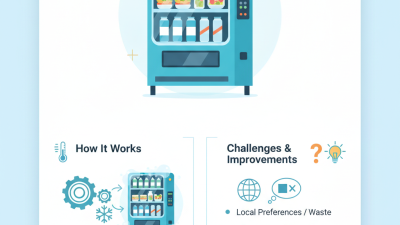
How Do Smart Vending Machines Work?

Smart vending machines combine sensors, software, secure payment tools, and remote monitoring. Each selection moves through a controlled dispensing mechanism. Sensors confirm the product was released correctly. Cameras or weight checks may detect failed deliveries.

Inside the cabinet, temperature sensors protect products that require cooling. Inventory data updates after every sale. Operators can view stock levels, machine status, and unusual errors through a central dashboard. This reduces unnecessary site visits and helps teams plan replenishment routes. It also supports consistent service across different countries.

A practical deployment needs more than advanced hardware. Payment systems must support local currencies and approved transaction methods. Software should protect customer data and follow regional privacy rules. Machines also need accessible interfaces, clear pricing, and reliable power protection. Network failure remains a real weakness. Some machines can store transactions temporarily, but this feature requires careful security testing.

From field experience, clean product layouts often improve purchasing speed. However, remote alerts are not always accurate. A blocked sensor can look like an empty shelf. Regular inspections still matter. Local technicians should check cables, cooling performance, payment modules, and physical wear. This combination of automation and human judgment makes smart vending more dependable for global business.

Which Benefits Do They Offer Global Businesses?

Why Choose Smart Vending Solutions for Global Business?

Which Benefits Do They Offer Global Businesses?

Smart vending solutions give global businesses a practical way to serve customers across different locations. They can operate day and night, including offices, airports, hospitals, and residential buildings. Customers may select products through touchscreens and complete payments using approved local methods. This creates a smoother experience for people who speak different languages or use different currencies.

Remote monitoring helps operators track stock levels, temperature, sales, and machine performance. A regional manager can see that bottled water is running low in Singapore while checking another machine in Madrid. This reduces unnecessary site visits and supports faster replenishment. Local product settings also help businesses match dietary preferences, package sizes, and seasonal demand. However, the data is not automatically perfect. Poor forecasting can still leave fresh products unsold.

Smart systems can reduce labor pressure and support more consistent operations. They may alert technicians before a cooling unit fails, limiting downtime and product loss. Businesses can also review purchasing patterns when planning new locations. Reliable deployment requires more than software. Operators must check electrical standards, payment rules, accessibility requirements, privacy obligations, and food-handling regulations in each market. Connectivity outages remain a real concern. Offline payment options, secure data controls, and clear maintenance procedures can make the service more dependable. Small details matter, such as readable instructions, stable shelves, and a refund process customers can understand.

How Can Businesses Implement Them Across Markets?

Smart vending solutions can enter global markets through a controlled, local-first rollout. According to the Global Payments Report 2024, digital wallets represented 50% of global e-commerce transaction value in 2023. Businesses should therefore support wallets, cards, QR payments, and local payment methods. One payment method is never enough. Each machine also needs local currency, language, tax settings, and clear product information.

Implementation should begin with a small pilot in two contrasting markets. One city can test dense office locations, while another can test transport hubs. Sensors can report stock levels, temperature, and machine faults remotely. The World Bank’s Global Findex 2021 found that 76% of adults worldwide had a financial account. However, access and payment habits still differ sharply by region. Teams must review connectivity, power reliability, consumer behavior, and local data requirements before scaling. A perfect template probably does not exist.

Tips: Use a 60-day pilot with five to ten machines. Track sales per hour, payment failures, refill time, spoilage, and service visits. Interview users beside the machine, not only through online surveys. Keep a manual fallback for network outages. This small detail can protect revenue. According to the GSMA Mobile Economy 2024 report, mobile internet adoption continues to expand, but coverage and affordability gaps remain. Businesses should select offline transaction rules carefully, protect customer data, and document every market-specific adjustment. Regular human checks are still necessary.

Why Choose Smart Vending Solutions for Global Business? - How Can Businesses Implement Them Across Markets?

Market or Region Recommended Payment Configuration Connectivity and Monitoring Key Compliance Considerations Localization Requirements Suggested Implementation Approach
European Union Contactless card, mobile wallet, chip-and-PIN fallback, and local-currency pricing in euros or other applicable currencies. 4G/5G or Wi-Fi with remote inventory, sales, temperature, and fault monitoring. GDPR for personal data, PCI DSS for payment environments, and CE-related product and electrical safety requirements where applicable. Multiple languages, euro-compatible accounting, VAT-aware reporting, and accessibility-conscious interface design. Begin with a pilot in one or two countries, use a shared platform, and configure country-specific tax, language, and payment settings.
United Kingdom Contactless cards, mobile wallets, chip-and-PIN, and pricing in pounds sterling. Cellular connectivity with offline transaction queuing to reduce disruption during temporary network outages. UK GDPR, PCI DSS, consumer protection rules, and electrical safety obligations applicable to the equipment. English-language user journeys, pound-sterling accounting, clear refund instructions, and transparent pricing. Connect payment, telemetry, and service-management systems before expanding from controlled locations to broader deployment.
North America EMV chip, contactless payments, mobile wallets, and local-currency support in US dollars or Canadian dollars. Dual-SIM cellular connectivity, cloud dashboards, remote software updates, and automated fault alerts. PCI DSS, applicable state or provincial privacy laws, accessibility obligations, and local sales-tax rules. English and French support where required, local tax configuration, regional product labeling, and location-specific refund policies. Use standardized hardware with configurable software, then scale through regional service partners and centralized analytics.
East Asia and Pacific Contactless cards, mobile wallets, QR-based payments where locally accepted, and country-specific currency support. 4G/5G connectivity, cloud-based device management, and real-time stock and transaction synchronization. Local privacy regulations, payment-security requirements, electronic transaction rules, and electrical certification requirements. Local scripts, multilingual instructions, QR-payment workflows, culturally appropriate product assortments, and local date formats. Validate payment behavior and product preferences locally before standardizing the operating model across neighboring markets.
Middle East Contactless cards, mobile wallets, QR options where supported, and local-currency pricing. Cellular connectivity with remote temperature, power, inventory, and payment-status monitoring. Local data-protection rules, payment regulations, import requirements, electrical safety, and product-labeling standards. Arabic and English interfaces where appropriate, right-to-left language support, local currency, and climate-appropriate cooling. Test equipment performance in high-temperature environments and establish local maintenance coverage before full rollout.
Latin America Contactless and chip cards, mobile wallets, QR payments where available, and local-currency configuration. Cellular-first connectivity with local network compatibility, offline processing controls, and remote diagnostics. Country-specific privacy and consumer-protection laws, PCI DSS, tax invoicing rules, and import or certification requirements. Spanish or Portuguese interfaces, local decimal formats, local tax rules, and product assortments adapted to purchasing habits. Start with high-traffic locations, define cash-handling and replenishment procedures, and expand after payment reliability is verified.
Africa Mobile money, QR payments, contactless cards, and cash acceptance where digital-payment coverage is limited. Cellular connectivity with store-and-forward capability, power-loss alerts, and optional battery or solar backup. Local payment and privacy laws, electrical safety, import controls, consumer-protection rules, and applicable tax requirements. Local languages and currencies, durable interfaces, climate-resistant hardware, and product sizes suited to local demand. Design for variable connectivity and power availability, partner with local operators, and use a phased deployment by city or corridor.
Cross-market implementation benchmarks: Use modular hardware, API-based payment integration, centralized device monitoring, role-based access controls, documented replenishment procedures, and a pilot period of approximately 8–12 weeks before large-scale deployment. Actual timelines, costs, connectivity performance, and compliance obligations vary by country, site, product category, and operating model.

What Challenges Affect Their Global Adoption?

Smart vending solutions offer round-the-clock access, flexible inventory, and useful sales data. However, global adoption faces practical challenges that simple automation cannot solve. A machine installed in a busy station may sell quickly, while the same model struggles in a quiet rural area. Local demand, product preferences, and purchasing habits can change sharply across borders.

Regulatory differences create another obstacle. Product labeling, electrical standards, consumer protection, and payment rules vary by country. A configuration approved in one market may require major changes elsewhere. Payment behavior also matters. Some customers prefer mobile wallets, while others still depend on cash or local payment cards. A failed connection can leave a fully stocked machine unable to complete sales. That feels small, but repeated outages damage trust.

Climate and maintenance deserve equal attention. Heat, humidity, dust, and unstable power can affect refrigeration, screens, and payment hardware. Technicians may not be available nearby, and imported spare parts can take weeks to arrive. Field testing often exposes these weaknesses earlier than a polished presentation does. We have to admit one uncomfortable truth: centralized control does not guarantee local reliability. Accessibility can also be overlooked when screens are too high, instructions are unclear, or language options are limited. Operators need regional testing, secure data practices, trained service partners, and realistic repair plans before expanding widely. Perfect deployment is unlikely. Careful adaptation is essential.