Essential Vending Machine Tips for Business Success?
Vending machines have become a popular choice for entrepreneurs seeking to generate passive income. They offer flexibility and low overhead costs. Yet, success in this business is not guaranteed. Many operators make avoidable mistakes that hinder their progress.
Understanding the dynamics of vending machines is crucial. Location selection plays a key role. A poorly chosen site can lead to a loss of potential customers. Stocking popular and high-demand items is another challenge. Operators often stock what they like, rather than what sells. This mismatch can result in unsold inventory and wasted funds.
Reflect on past experiences within the vending industry. Consider what strategies have worked or failed. Regularly assessing your vending machine performance will point out areas for improvement. By learning from both successes and failures, you can enhance your approach and ultimately thrive in the vending machine business.
Choosing the Right Location for Your Vending Machine Business
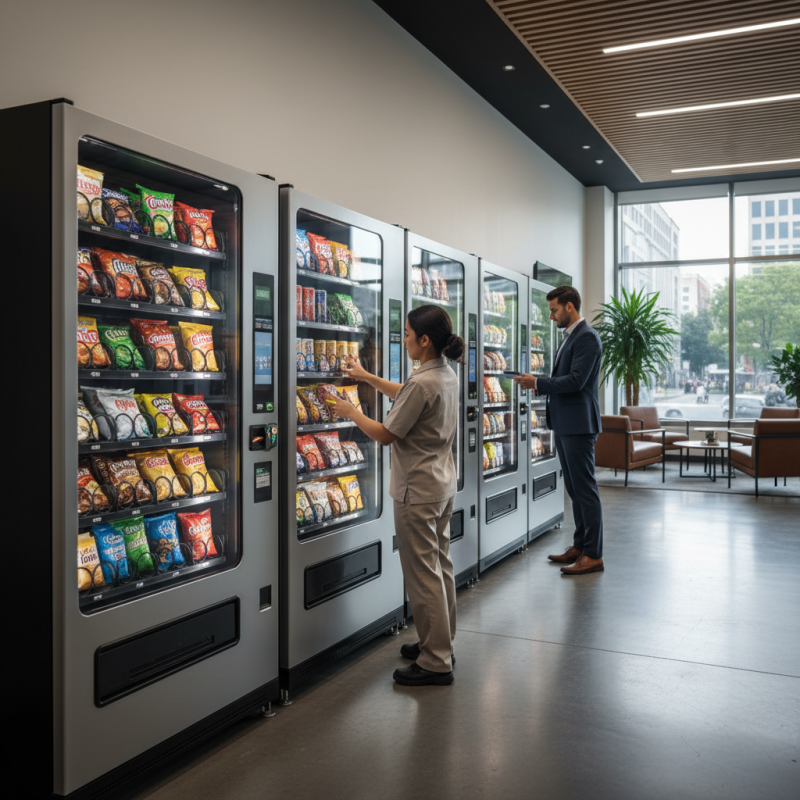
Choosing the right location for your vending machine business is crucial. A well-placed machine can attract foot traffic and ensure regular sales. Consider high-traffic areas like shopping malls, schools, or office complexes. These locations often provide a steady stream of potential customers. Also, visibility matters. A vending machine in a well-lit, busy area is more appealing than one tucked away in a corner.
However, not every location guarantees success. Sometimes, a site may seem perfect but underperform in reality. It is essential to observe customer behavior and peak hours. Foot traffic data can help you make informed decisions. Try different locations if your initial choice isn’t yielding results. Relocating a machine can offer new opportunities.
Another aspect to consider is the competition. If a nearby machine offers similar products at lower prices, you might struggle. Look for spaces where competition is minimal. You might find hidden gems that others overlook. Don't hesitate to ask local business owners for advice. Their insights can guide you toward untapped locations. Ultimately, trial and error can lead you to the best spot for your vending machine.
Essential Vending Machine Tips for Business Success
Understanding Your Target Market and Customer Preferences
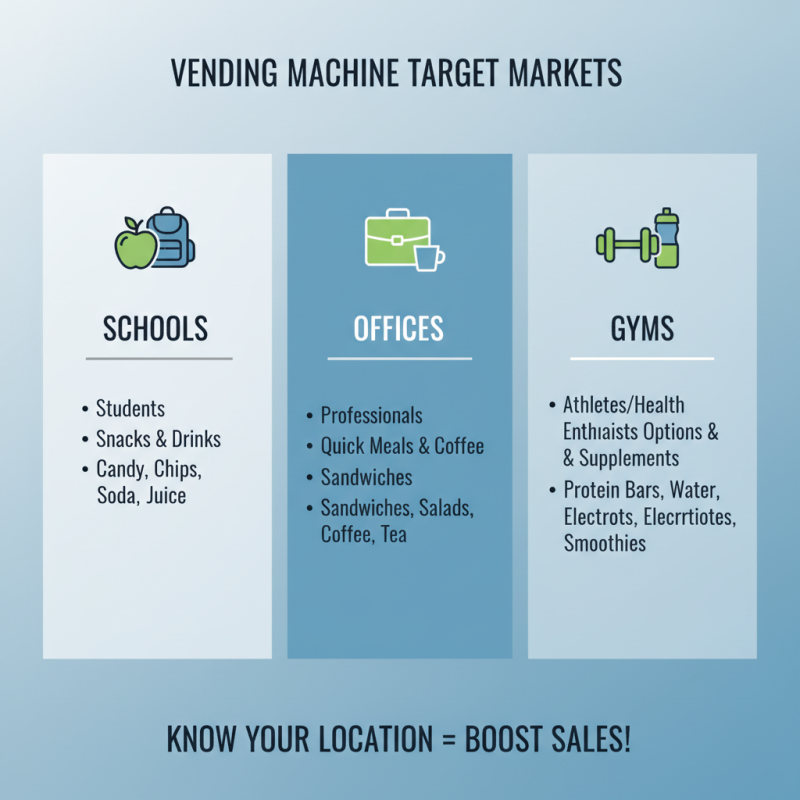
Understanding your target market is crucial in the vending machine business. Identify the location where your machines will be placed. Is it in a school, an office, or a gym? Each setting attracts different customers. Students often prefer snacks and beverages, while gym-goers might look for healthy options. Researching these preferences can significantly boost your sales.
Pay attention to the demographics of your potential customers. Age, interests, and lifestyle choices matter. For example, millennials and Gen Z are more health-conscious. They might favor organic snacks or plant-based drinks. However, not all selections will be popular. Some products may not move as expected, leading to wasted inventory. Analyze your sales data regularly to adapt your offerings.
Additionally, consider the visual appeal of your machine. Bright colors and engaging graphics attract customers. A well-designed machine can spark curiosity. Yet, it’s easy to overdo it, making it look cluttered. Simplicity can be more effective. Test different layouts and see what catches the eye and drives sales. Your goal is to create a balance between attractiveness and effectiveness.
Selecting Profitable Products to Stock in Your Vending Machines
When it comes to stocking vending machines, choosing the right products is key. Focus on popular items that people often crave. Snacks, drinks, and healthy options can bring in good revenue. Always consider your location. Different areas have different preferences. For example, a gym may sell more protein bars than candy.
**Tips:** Keep track of what sells best. Rotate products regularly to keep the selections fresh. This prevents boredom and keeps customers interested. Test a range of items before making permanent decisions. If something isn’t selling, replace it quickly.
Think about niche markets too. Items like vegan snacks or gluten-free options can attract specific customers. Not everyone enjoys chips or soda. Diverse offerings can cater to varied tastes. Pay attention to customer feedback. If they're asking for a particular product, it may be worth adding. Consider your machine's capacity. Not every option can fit. Balance is necessary.
Implementing Effective Pricing Strategies for Vending Machines
Effective pricing strategies are vital for vending machine success.
Pricing should reflect both costs and market demand. Consider the location of the machine. Areas with higher foot traffic can bear
higher prices. For example, an office or a gym may allow for a premium on snacks and drinks.
Analyze competitor prices regularly. Ensure your offerings are competitive but also profitable.
Customers are drawn to perceived value. Offering combo deals or discounts for multiple purchases can enhance their experience.
However, be cautious. Discounts can lower profit margins if not strategically planned.
Monitor customer feedback. Understand their preferences and adjust prices accordingly. Sometimes, a product might sell poorly due
to its price rather than the quality. Emphasizing local or organic products can justify a higher price point.
Balancing price and quality is crucial. Keeping tabs on inventory and adapting quickly can lead to improved sales
and customer satisfaction.
Leveraging Technology and Maintenance to Enhance Vending Operations
In today’s vending machine landscape, technology is key. Smart machines can track inventory in real-time. This ensures popular items are always stocked. Many operators struggle, overlooking the importance of data. Integrating systems may seem daunting, but it’s vital. Simple apps can provide insights into sales trends. This can help in making informed decisions.
Regular maintenance is equally crucial. A well-maintained machine attracts more customers. If machines break down often, it reflects poorly on business. Some operators neglect basic upkeep, leading to lost sales. Cleaning and checking machine functionality shouldn’t be an afterthought. Setting a schedule or reminder can be beneficial.
Operators should also consider feedback channels. Listening to customers about their preferences can guide which items to stock. If customers frequently ask for healthier options, it may be worthwhile to cater to that demand. Balancing popular choices with new trends can be challenging. Keeping track of such feedback will not only help sales but also build customer loyalty.