Top 10 Smart Vending Machines in China You Need to Know?
In recent years, the rise of Smart Vending Machines in China has transformed the retail landscape. Experts like Dr. Lisa Zhang, a leading researcher in automated retail technology, emphasize, “Smart Vending Machines are redefining consumer convenience.” These machines blend advanced technology with user-friendly interfaces, making transactions seamless and efficient.
Innovative features such as touch-free payment, AI-driven recommendations, and real-time inventory tracking are reshaping the consumer experience. One notable example is the use of facial recognition, allowing customers to enjoy a personalized shopping experience. However, not all Smart Vending Machines are successful. Many face challenges such as technical failures and vending locations that are not optimally chosen.
As these machines gain popularity, questions arise. Are they truly meeting consumer needs? The balance between technology and user experience will dictate their future success in the market. Understanding this intricate landscape is crucial for stakeholders in the industry. Exploring the top Smart Vending Machines in China offers valuable insights into an evolving marketplace that continues to grow.
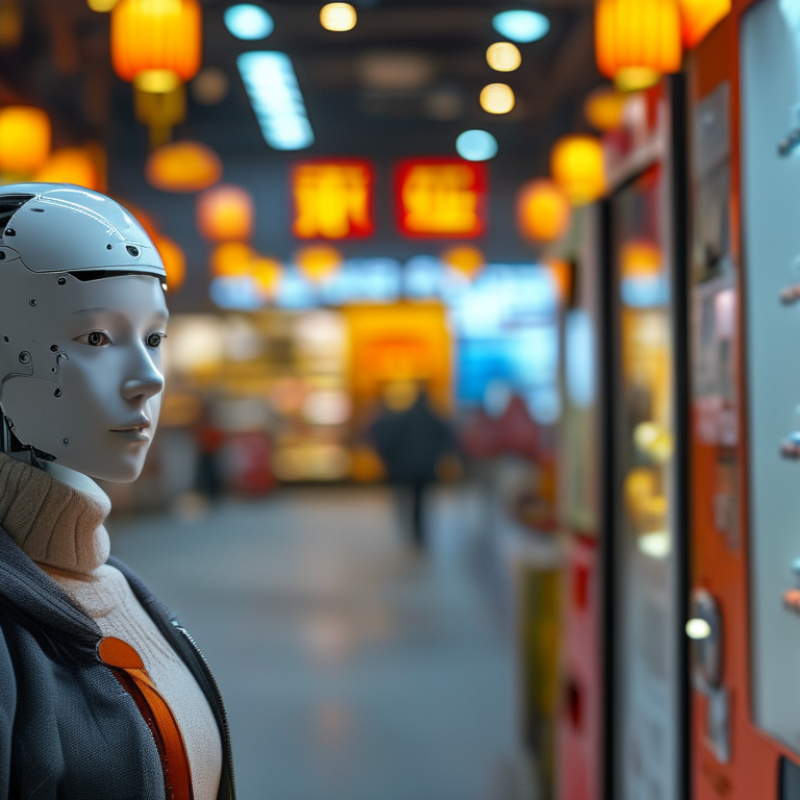
Overview of Smart Vending Machines in China
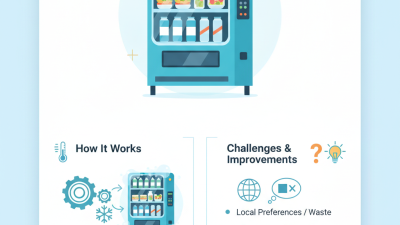
In recent years, smart vending machines have transformed the retail landscape in China. These machines integrate advanced technology, such as AI and IoT, to enhance customer experiences. According to a report by ResearchAndMarkets, the smart vending machine market in China is projected to reach $1.7 billion by 2026. This reflects a growing consumer demand for convenience and personalized offerings.
Many smart vending machines now feature touchless payment systems, real-time inventory tracking, and dynamic pricing models. They serve a variety of items, from snacks to electronics. A stat from Statista shows that 40% of urban consumers have used a smart vending machine in the last year. This highlights the increasing acceptance of these machines among the public.
However, challenges persist. Not all locations have adequate internet connectivity, which can hinder machine functionality. Additionally, some consumers remain skeptical about using machines for fresh food items due to concerns about quality and hygiene. As the industry evolves, addressing these issues will be crucial for sustained growth.
Key Features of Smart Vending Machines
Smart vending machines are revolutionizing the retail landscape in China. These machines have advanced features that enhance user experience. According to industry reports, the smart vending machine market is projected to reach USD 2.5 billion by 2025, highlighting their growing significance.
A key feature of these machines is cashless payment options, which cater to tech-savvy consumers. Mobile payments account for over 80% of transactions in urban areas. Additionally, many smart vending machines offer real-time inventory tracking. This ensures that products are always stocked, minimizing frustration for users. Some even provide personalized recommendations based on customer preferences, creating a tailored shopping experience.
Despite these advancements, challenges remain. Accessibility can be an issue in less populated areas. In addition, maintenance of high-tech machines requires skilled technicians. Reports indicate that nearly 30% of machines experience downtime due to technical glitches. This highlights the need for reliable support to maintain these innovations. As technology evolves, it will be crucial to address these areas for improvement to maximize the potential of smart vending machines in China.
Top 10 Innovative Smart Vending Machine Brands
In recent years, smart vending machines have revolutionized retail in China. Research shows a rapid increase in the smart vending market, estimated to reach USD 10 billion by 2025. Various brands have set the stage with innovative features. These machines often come equipped with touch screens, cashless payment options, and real-time inventory tracking. They cater to changing consumer needs, making shopping quicker and more efficient.
Not all innovations are perfect, however. Some users report difficulties with the payment systems and interface navigation. Accessibility remains an issue too, as not every customer is tech-savvy. Despite these challenges, brands continue to push boundaries. Enhanced AI capabilities allow for personalized recommendations, further enhancing user experience. An industry report highlighted that 41% of users prefer machines that offer tailored shopping suggestions. This personalization brings a new dimension to vending.
The overlap between technology and convenience in vending is noteworthy. Yet, data reveals that maintenance issues affect machine reliability. Frequent malfunctions may discourage repeat usage. Still, as the industry evolves, a focus on user feedback could enhance functionality. It is crucial for brands to address shortcomings while continuing to innovate.
Case Studies of Successful Smart Vending Machines in China
In recent years, smart vending machines have transformed the retail landscape in China. For instance, some machines utilize facial recognition technology to offer personalized product recommendations. This blend of convenience and customization has attracted many users. Moreover, many of these machines accept various payment methods, including mobile payments, enhancing transaction speed.
One notable case involves a vending machine that caters to health-conscious consumers. It dispenses fresh salads and fruit bowls, ensuring that customers have access to nutritious options. However, maintaining the freshness of products poses challenges. Machines need to be regularly monitored and stocked. This highlights a crucial gap that providers must address to ensure quality.
There are also machines that can interact with customers via AI chatbots. These chatbots can answer questions or provide recommendations. While this enhances user experience, not all interactions are smooth. Sometimes, the AI struggles to understand user requests. This reflects the growing pains that come with integrating technology. Enhancing AI capabilities is vital for future success.
Future Trends and Developments in Smart Vending Technology
The future of smart vending technology in China is fascinating and full of potential. As cities grow, so does demand for modern convenience. Smart vending machines are evolving rapidly, bringing new functionalities to users. Many now accept mobile payments, offering a seamless transaction experience. This technology caters to the on-the-go lifestyle of urban dwellers, providing easy access to snacks and drinks. However, the complexity of these systems sometimes causes technical glitches.
Furthermore, the integration of AI plays a significant role in these machines. Some machines can analyze user preferences through patterns and past purchases. This information can lead to personalized recommendations. While this is a great advancement, it raises questions about privacy. Users must be cautious about how their data is collected and stored. Maintaining security is crucial, yet it can be challenging for operators.
Sustainability is another critical trend in this sector. Eco-friendly machines that minimize waste are gaining traction. These machines often use recyclable materials and energy-efficient technology. However, not all operators prioritize sustainability. This inconsistency highlights the need for better industry standards. Overall, smart vending technology holds promise, but its future depends on responsible innovation.