China Top Snack Machine Manufacturers for Global Buyers?
China has become a major sourcing base for global Snack Machine buyers. Its manufacturers offer broad product ranges, flexible customization, and competitive production capacity. However, low pricing alone does not prove reliable value.
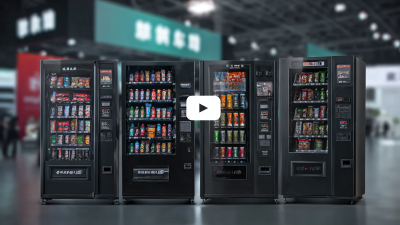
A serious buyer should examine more than a polished factory video. Check stainless-steel thickness, compressor performance, payment compatibility, software stability, and spare-parts access. A machine standing in a busy railway station faces dust, heat, vibration, and impatient customers. Small weaknesses become expensive problems.
Vending specialist David Payne describes the principle clearly: “A reliable vending machine is an unattended store.” That idea matters when comparing Chinese suppliers. The best Snack Machine manufacturers understand product protection, temperature control, easy cleaning, and fast maintenance. They also explain their testing process instead of hiding behind attractive brochures.
Experience reveals another reality. Not every factory fits every market. Some manufacturers excel at refrigerated units, while others focus on snacks, drinks, fresh food, or intelligent retail cabinets. A buyer may need CE, UL, RoHS, food-contact documentation, or local electrical compliance. Payment systems and user interfaces may also require regional adaptation.
Factory audits, sample orders, video inspections, and reference checks can reduce uncertainty. Ask for production photos, wiring diagrams, warranty terms, and failure-response procedures. Request evidence, not promises.
There is no perfect supplier.
Even experienced buyers can overlook software updates or shipping damage. A thoughtful comparison should consider total ownership cost, not only the purchase quote. This guide evaluates China’s leading Snack Machine manufacturers through capability, customization, quality control, after-sales support, and international reliability.
Snack Machine Types and Their Global Market Applications
Snack Machine Types and Their Global Market Applications
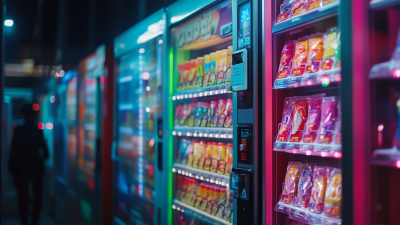
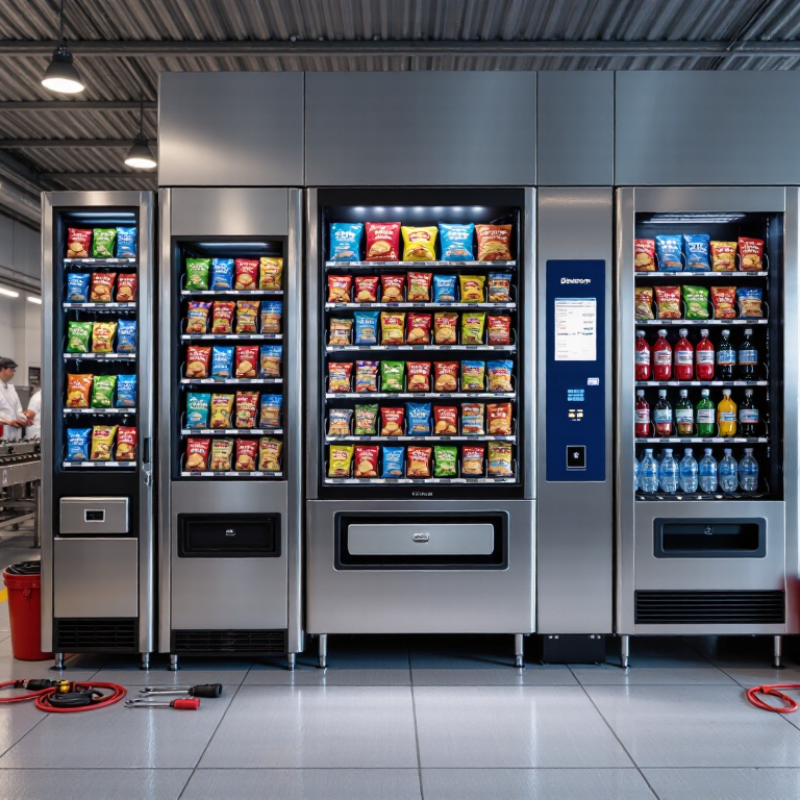
Snack machines now serve offices, transport hubs, hospitals, schools, and retail corridors. Ambient coil machines handle packaged chips, biscuits, nuts, and confectionery without refrigeration. Refrigerated units support sandwiches, fruit cups, and chilled drinks. Smart combination machines add cashless payment, inventory alerts, and remote temperature monitoring. Placement changes everything.
Grand View Research estimates the global vending machine market will grow at a 10.7% CAGR from 2023 to 2030. Fortune Business Insights values the market at about USD 21.84 billion in 2023. These figures include food, beverage, and other vending categories, not snack machines alone. Still, they show strong demand for automated retail.
In airports, compact machines reduce queue pressure. In factories, larger units support shift workers during late hours. Offices often prefer quieter machines with healthier product settings.
Micro-market kiosks offer wider product ranges than traditional spirals. They suit campuses, residential buildings, and workplaces with stable foot traffic.
Outdoor machines need stronger insulation, weather protection, and anti-tamper construction. In hot regions, cooling performance may matter more than screen size. Energy efficiency also deserves attention, especially where electricity costs are high.
The distinction is not always clean. A smart machine can still fail if replenishment routes are poorly planned. Buyers should verify local payment standards, food labeling rules, electrical requirements, and after-sales service before comparing factory prices. That assumption fails.
Key Criteria for Evaluating Chinese Snack Machine Manufacturers
China Top Snack Machine Manufacturers for Global Buyers
Key Criteria for Evaluating Chinese Snack Machine Manufacturers
Choosing a Chinese snack machine manufacturer requires more than comparing prices. Evaluate production experience, engineering skills, and after-sales support together. Ask how many similar machines the factory has delivered. Request videos showing feeding, sealing, cutting, and packaging under real operating conditions. A polished showroom is not enough.
During a factory visit, inspect welding quality, electrical cabinets, food-contact materials, and spare-parts storage. Stainless steel should have clear grade documentation and smooth, easy-to-clean surfaces. Check whether the manufacturer performs factory acceptance tests before shipment. Test several product sizes, because one successful sample proves very little. Small details matter.
Reliable communication is another practical criterion. Confirm response times, technical drawings, installation plans, and warranty conditions in writing. Ask for references from buyers in markets with similar voltage, hygiene, and labeling requirements. A capable supplier should explain limitations honestly. That is reassuring, not negative. I would also examine operator training, remote troubleshooting, and the availability of replacement sensors. These points are often overlooked.
Price deserves careful interpretation. A cheaper quotation may exclude molds, commissioning, packaging, or critical spare parts. Compare the complete ownership cost instead of the machine price alone. One imperfect test result should not end the evaluation, but it should trigger questions. Manufacturers willing to document corrections usually inspire more confidence than those promising flawless performance.
Leading China-Based Snack Machine Manufacturers for International Buyers
Leading China-Based Snack Machine Manufacturers for International Buyers
China-based snack machine manufacturers are attracting international buyers as demand for packaged foods continues to expand. Grand View Research estimated the global snacks market at approximately US$1.48 trillion in 2023. This growth increases pressure on factories to improve output, consistency, and hygiene without excessive capital costs. Chinese suppliers commonly provide complete lines for frying, baking, seasoning, cooling, and packing. Buyers should inspect stainless-steel grades, temperature controls, motor efficiency, and cleaning access. A machine may look impressive in a showroom. Production trials reveal more.
PMMI’s 2024 global packaging research highlights automation, flexible formats, and sustainable material use as major equipment priorities. International purchasers should request documented throughput under real product conditions, not only an advertised maximum. Ask for test videos, energy data, spare-parts lists, and electrical specifications matching the destination country. CE-related documentation may support European projects, but compliance must be verified for the exact machine and application. Local requirements differ.
Experienced manufacturers should explain installation limits, operator training, remote support, and warranty exclusions clearly. Translation quality matters when a fault stops a production line at midnight. Factory audits can confirm assembly standards, calibration records, and quality-control procedures. However, audits are not perfect. A single visit cannot prove long-term reliability. Buyers should combine inspection reports with customer references, sample testing, and a staged payment plan. This approach feels slower, yet it reduces costly surprises for global snack producers.
Export Standards, Customization, and After-Sales Support
For global buyers, a top snack machine manufacturer must treat export compliance as a working process, not a brochure claim. Equipment should match the destination’s voltage, frequency, plug type, and safety requirements. Food-contact parts need traceable materials, smooth welds, and easy cleaning access. Export documents should include commercial invoices, packing lists, manuals, certificates, and accurate shipping classifications. Details matter.
From factory inspections and buyer feedback, customization often decides whether a line performs well. A manufacturer may adjust the cutter, fryer, dryer, seasoning drum, or conveyor for a specific snack shape and capacity. Stainless steel grades, control-panel languages, recipes, and packaging sizes also require written confirmation. Test it twice. A sample run should measure output, moisture, oil temperature, energy use, and product breakage before shipment. One practical weakness remains common: buyers sometimes approve drawings without checking maintenance space.
After-sales support should continue beyond installation. Reliable suppliers provide commissioning guidance, operator training, troubleshooting videos, and a clear spare-parts list. Remote support is useful when an alarm appears during a night shift, but it cannot replace experienced technicians for complex repairs. Response times, warranty exclusions, and replacement-part availability should appear in the contract. No supplier can prevent every failure. However, honest records, accessible engineers, and realistic service commitments reveal professional reliability. That gap matters.
China Top Snack Machine Manufacturers for Global Buyers
Export customization starts with the buyer’s electrical environment. The chart compares nominal single-phase supply voltages commonly used in key destination markets; frequency references are shown in the labels.
Export planning should also verify applicable conformity requirements, such as CE marking for the European Economic Area, UKCA requirements for Great Britain, and recognized electrical safety certification requirements in North America. Confirm the final voltage, frequency, plug type, documentation, spare-parts plan, remote troubleshooting process, and local service arrangements in the purchase contract.
Reference basis: IEC 60038 nominal supply-voltage conventions and internationally published country voltage and frequency references. Actual site conditions must be confirmed before production.
How to Select the Right Chinese Snack Machine Supplier Step by Step
Selecting a Chinese snack machine supplier requires more than comparing online prices. The UN Comtrade database lists China as a major exporter under HS 8438, covering machinery for preparing food and beverages. That scale creates choice, but also confusion. Ask for the exact machine model, output range, power requirements, and material specifications. A reliable supplier should provide drawings, a process flow, and recent customer references.
Check technical evidence before discussing discounts. Request a live video test using your actual snack formula, not only a polished factory demonstration. Measure capacity, oil temperature, product breakage, cleaning time, and energy use. A 2024 report from PMMI highlights automation, traceability, and labor efficiency as major packaging industry priorities. Your supplier should explain how the machine records key settings and supports repeatable production. Small details matter.
Audit quality controls carefully. Review ISO 9001 records, electrical safety documents, food-contact material declarations, and applicable regional conformity requirements. Confirm whether spare parts, manuals, installation, and operator training are included. The FAO reports that food loss remains a significant global concern, so unstable feeding or excessive rejects can become expensive quickly. Do not trust certificates alone. Inspect welds, seals, control panels, and cleaning access through photographs or a third-party audit. Payment terms deserve equal attention. A low quote may exclude testing, export packing, or commissioning. I would also ask for a written performance guarantee, although many buyers overlook this step. Supplier selection is not perfectly predictable; even careful teams should keep a contingency budget.