Top 10 Drinks Vending Machines for Businesses Le Tach Vending Pte Ltd - Vending Machine Singapore, Hot and Cold Vending, Can Vending, Snack Vending

Top 10 Drinks Vending Machines for Businesses

A Drinks Vending Machine can keep refreshments close at hand and reduce interruptions during busy workdays. In a small office, quiet operation and a compact footprint may matter most. On a warehouse floor, reliable cooling, generous capacity, and simple restocking can take priority. The right choice depends on the people using it, the space available, and how often staff can refill it.

This guide introduces ten drink vending machine options for businesses and explains the practical details worth comparing. These include product capacity, temperature control, payment methods, energy use, maintenance access, and service support. Details matter. A machine with attractive features may still be a poor fit if it blocks a corridor or needs frequent attention. Check the specifications and service terms against your own needs rather than relying on a product’s headline claims. A shortlist cannot predict every workplace’s usage, and estimates may differ from daily experience. That is worth remembering. Use the comparisons as a starting point, then consider your budget, available floor space, and typical drink selections before deciding.
Top 10 Drinks Vending Machines for Businesses

What Drink Vending Machines Are and How Businesses Use Them

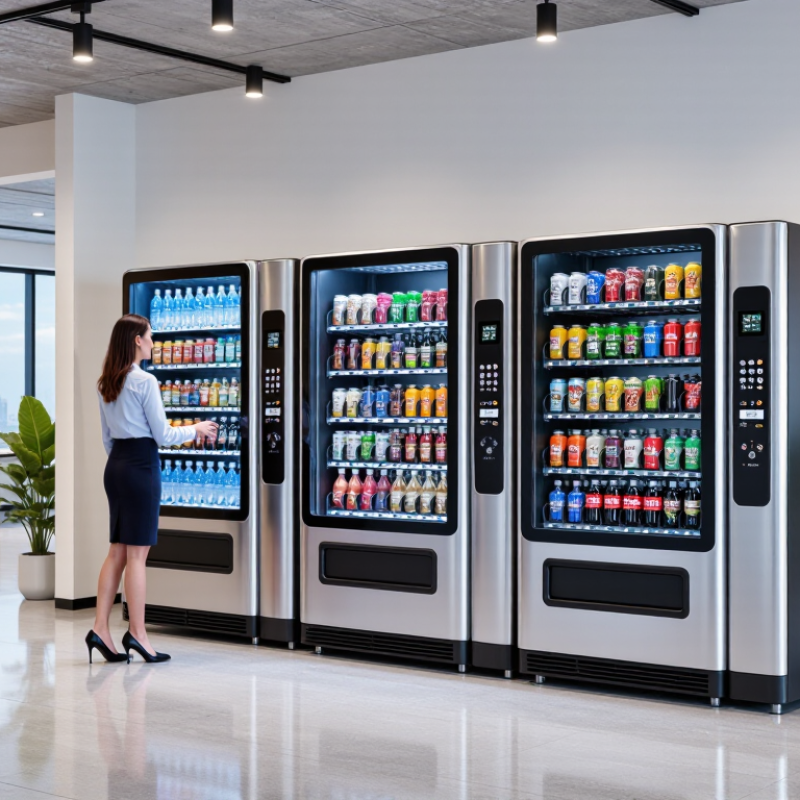
A drink vending machine is a refrigerated, self-service unit that stores packaged beverages and releases a selected item after payment. Businesses place them where people need quick access: staff break rooms, school corridors, hotel lobbies, and factory floors. Many modern units accept contactless payments and send sales or stock data to operators. The basics remain simple. Keep it cold.

For operators, a machine is a small retail point without a staffed counter. Employers can offer water, juice, or other everyday drinks near work areas, while tracking which slots empty fastest. NAMA’s 2023 industry report estimated total U.S. convenience-services revenue at $26.6 billion, reflecting a broad sector that includes vending and other unattended services. That figure is not a drink-vending sales total, so it should not be read as one. Placement still matters: a machine beside a hot loading area may sell differently from one near meeting rooms. Operators need to check temperature, refill timing, payment access, and expiration dates. Data helps, but one busy week can distort the plan. A little judgment is still needed.

Top 10 Drinks Vending Machines for Businesses: Common Beverage Sizes

These representative package sizes can help businesses plan drink selections and shelf space for vending machines. Actual product sizes vary; one liter is approximately 33.8 US fluid ounces.

Key Features That Distinguish the Main Machine Types

Drink vending machines differ most in what they store, how they dispense, and the conditions they need. Refrigerated bottle-and-can machines suit offices, workshops, and gyms where people want a cold drink quickly. Check the usable capacity, not just the advertised selection: large bottles take more shelf space. A glass-front cabinet also helps staff spot empty rows before employees do.

Hot-drink machines work differently. They need water access or refillable tanks, ingredient storage, and regular cleaning around nozzles and drip trays. They can offer coffee, tea, and hot chocolate, but may slow down during busy breaks. A small office may find that trade-off worthwhile. A high-traffic lobby may not. Test the serving speed at peak times.

Combo machines sell drinks alongside snacks, saving floor space but often reducing drink capacity. Fresh-juice or made-to-order units need closer attention to ingredients, cleaning, and temperature control. That extra upkeep is easy to underestimate.

Before choosing, measure the installation area, check nearby power and water access, and ask how restocking and faults are handled. Payment options matter too; a machine that accepts only one method may frustrate customers. Compare real usage needs with the machine’s daily service demands, not just its product display.

How to Evaluate Capacity, Payment, and Maintenance Needs

A drinks vending machine should match the busiest hour, not the average day. Count foot traffic near lunch, shift changes, and warm afternoons for a week. Estimate how many chilled bottles and cans will sell before the next refill. A 300-item cabinet can still disappoint if popular drinks occupy only a few slots. Leave room for variety.

Confirm payment options work where the machine will sit, including in areas with weak cellular service. Test contactless readers, cash acceptance, and refund handling before opening day. A simple payment flow can shorten queues, while sales reports help identify slow-moving stock. One rainy week, though, can distort a small site’s demand forecast.

Ask how quickly routine service can happen, and who clears jams or temperature alarms. Look for easy-to-clean surfaces, accessible product coils, and clear error messages. Keep a log. Record refill times, spoilage, failed payments, and repeat complaints for at least a month. These notes may expose a poor fit, such as oversized capacity or awkward placement. Spare capacity helps, but it cannot replace dependable service and a realistic refill schedule.

Top 10 Drinks Vending Machines for Businesses — How to Evaluate Capacity, Payment, and Maintenance Needs

These are general machine configurations, not specific products or ranked models. Capacities are indicative and vary with package size, shelf layout, and configuration. Confirm specifications with the supplier before purchasing.

# Machine Type Indicative Capacity Typical Payment Options Maintenance Considerations Best-Fit Business Setting
1 Compact can-and-bottle machine About 150–300 drinks Cash, card, or contactless, depending on the payment module Regular restocking; clean the dispensing area and check payment equipment. Small offices, studios, and staff rooms
2 Standard refrigerated beverage machine About 250–500 drinks Cashless reader; cash acceptance may be available Keep air inlets clear; inspect cooling performance and clean condenser areas as specified by the supplier. Medium-sized workplaces and shared break areas
3 High-capacity bottle machine About 400–700 bottles, depending on bottle size Contactless, card, and mobile wallet through a compatible reader Check bottle alignment and dispensing regularly; larger loads may require more frequent delivery. Busy offices, campuses, and distribution sites
4 Cans-only refrigerated machine About 300–600 cans Coin, card, or contactless, according to configuration Rotate stock by date; clean the delivery bin and monitor refrigeration. Locations with predictable demand for canned drinks
5 Glass-front combination machine About 200–450 mixed drinks Card and contactless; cash may be optional Clean the glass and selection area; test varied package sizes after restocking. Reception areas and workplaces needing visible product choice
6 Outdoor-rated beverage machine About 250–500 drinks Weather-compatible cashless reader; cash acceptance varies Verify the installation environment and protection rating; inspect seals, drainage, and cooling more often. Covered outdoor areas and sheltered work sites
7 High-traffic multi-selection machine About 500–800 drinks Cashless reader, with optional coin or bill acceptance Plan frequent replenishment; review sales and out-of-stock records to guide service visits. Large staff facilities, transport sites, and busy public areas
8 Slimline beverage machine About 120–280 drinks Card or contactless; confirm reader compatibility before ordering Check that ventilation clearances are maintained; limited capacity can mean more frequent restocking. Narrow corridors, small break rooms, and space-constrained sites
9 Energy-conscious refrigerated machine About 200–450 drinks Cashless and contactless; options depend on the control system Compare published energy data under comparable conditions; keep cooling components clean and unobstructed. Businesses prioritizing operating efficiency
10 Telemetry-enabled beverage machine About 250–600 drinks Cashless reader; remote reporting requires compatible connectivity Check network status and alerts; remote inventory data can help schedule, but does not replace cleaning and inspections. Multi-site businesses and operators managing several machines

Evaluation tip: Match capacity to expected daily sales and delivery frequency. Confirm accepted payment types, transaction fees, connectivity requirements, warranty coverage, service response times, and cleaning instructions with the supplier.

Ten Drink Vending Machine Options for Different Business Settings

Ten drink vending machine options can serve very different workplaces. For a factory floor, consider chilled water, electrolyte drinks, and canned coffee. A clinic waiting area may suit bottled water, juice, and low-sugar tea. In a shared office, hot coffee, sparkling water, flavored water, and milk-based drinks offer more variety. That makes ten options. Not every choice will sell equally well.

The National Automatic Merchandising Association’s 2024 State of the Industry report estimated US convenience-services sales at $26.6 billion in 2023. That figure covers vending, micro markets, and other services, not drinks alone.

The National Coffee Association’s 2024 National Coffee Data Trends report found that 67% of US adults had coffee the previous day. For offices, that supports considering coffee service, though local demand still matters.

Tips: Match capacity to foot traffic and refill access. Track sales by drink type for several weeks, then adjust the mix. Keep an eye on expiry dates and temperature logs. A popular drink can still create waste if the machine is poorly stocked.

Planning Placement, Stocking, and Ongoing Operations

A drinks vending machine works best where people already pause, not merely where an empty wall is available. Near a break room or reception area, it may serve steady traffic without blocking doors or walkways. Check access to a power outlet, refill routes, and space for the machine door to open. Small details matter. A sunny window can warm bottled drinks, while a distant outlet may invite unsafe cable placement. Observe the site at different times of day. A hallway that seems quiet at 9 a.m. may become crowded during shift changes.

Stock the machine for the people who use it. Start with a modest mix of water, sparkling drinks, and a few lower-sugar options, then adjust based on sales and requests. Keep popular items at reachable heights, and rotate stock so older products sell first. Check package dates, prices, and payment functions during each refill. A simple log helps track what sold, what ran out, and when service was needed. It will not capture every preference, though. Ask users occasionally; their feedback may challenge assumptions. Set refill checks around actual demand, but leave room for seasonal changes and unexpected busy days.