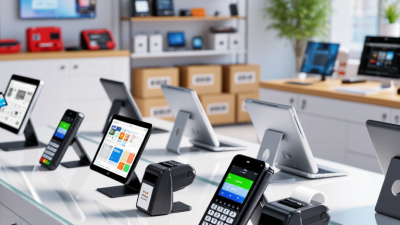
Choosing among China’s top Card Machine manufacturers requires more than comparing factory prices. A reliable decision begins with the machine’s real operating environment. Will it process contactless payments in a busy café, support outdoor delivery work, or run all day inside a retail store? These details affect battery capacity, screen durability, NFC performance, printer quality, and software stability.
The supplier matters just as much.
A strong manufacturer should explain its EMV, PCI DSS, Visa, Mastercard, and UnionPay support clearly. It should also provide test reports, production samples, firmware information, and a realistic warranty. Android POS terminals may offer flexible applications, but their SDK quality and update policy deserve careful review. A polished sample can hide weak after-sales service. That mistake is expensive.
Fintech author and payments expert Chris Skinner has written, “The future of banking is not banking.” His observation also reflects the changing Card Machine market, where hardware increasingly connects with software, data, and cloud platforms. Buyers should therefore assess API access, remote device management, transaction security, and integration support before signing a large order.
Price still attracts attention.
It should not lead the decision.
Factory audits, certification validity, component sources, and replacement procedures reveal more than a sales presentation. Some buyers focus heavily on appearance and forget repair time. That is an avoidable weakness. A better evaluation combines hands-on testing, supplier interviews, independent verification, and a clear total-cost calculation. No selection method is perfect, but disciplined questions can reduce unpleasant surprises and identify a China manufacturer suited to long-term payment operations.
China’s card machine manufacturing landscape is broad, but it is not uniform. Suppliers often specialize in payment terminals, access cards, identification readers, or customized embedded devices. Many factories operate near electronics supply chains, where printed circuit boards, casings, displays, and packaging are sourced quickly. This closeness can reduce lead times. It can also make quality differences harder to notice.
A reliable evaluation begins with the production floor. Ask to review assembly procedures, incoming component checks, and final functional testing. Inspect how workers record serial numbers and firmware versions. A capable manufacturer should explain testing for card reading distance, screen durability, battery performance, and communication stability. Request recent test reports and verify the laboratory details. Documents alone are not enough.
Experience shows that sample approval and mass production may differ. The first unit can look excellent, while later batches reveal loose ports or uneven printing. That risk deserves attention. Use a written specification with tolerances, inspection points, packaging requirements, and corrective procedures. Check whether the supplier supports small pilot orders before scaling. Communication matters too. Engineers who answer precise questions usually reduce technical misunderstandings. Still, no factory is perfect. Review response times, replacement policies, software update control, and traceability records before choosing a long-term manufacturing partner.
Choosing among China’s card machine manufacturers starts with the payment environment, not the casing. Countertop terminals suit supermarkets, hotels, and clinics with fixed checkout desks. They need stable Ethernet or Wi-Fi, receipt printing, and quick transaction handling. Mobile POS devices fit delivery teams, market stalls, and table-side service. Their value depends on battery life, 4G reliability, and a clear touchscreen.
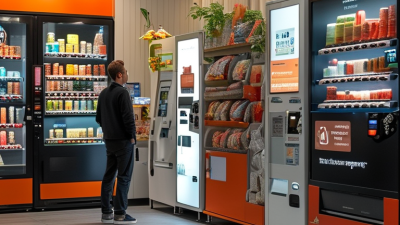
Unattended terminals serve parking areas, vending locations, transport stations, and self-service kiosks. They require weather-resistant construction, remote monitoring, and simple user prompts. Smart Android terminals support inventory, loyalty, and invoicing applications, but extra software can increase security risks and maintenance work. Keep it practical.
The Worldpay Global Payments Report 2024 states that digital wallets represented about 50% of global e-commerce transaction value and 30% of in-person payment value in 2023. This supports terminals that accept cards, contactless payments, and QR-based methods. However, acceptance should match local customer behavior. More features do not always mean better performance.
When evaluating manufacturers, check EMV certification, PCI PTS approval, encryption design, firmware update procedures, and repair response times. Ask for test records, not only sales claims. Also examine transaction speed under weak network conditions. A low purchase price may become expensive after battery replacement, software updates, and failed field repairs. In my experience, buyers often underestimate after-sales support. That is an avoidable mistake, though no selection process is perfect.
| Card Machine Type | Core Characteristics | Supported Payment Methods | Connectivity and Power | Main Applications | Key Selection Factors |
|---|---|---|---|---|---|
| Countertop POS Terminal | Fixed terminal designed for a checkout counter; usually includes a screen, card reader, receipt printer, and keypad. | EMV chip cards, magnetic-stripe cards where permitted, contactless cards, NFC wallets, and PIN-based transactions. | Typically Ethernet or Wi-Fi; powered from an AC outlet and suitable for continuous operation. | Retail stores, supermarkets, pharmacies, restaurants, hotels, and service counters. | Network stability, printer reliability, screen visibility, POS software compatibility, and security certification. |
| Portable Smart POS Terminal | Battery-powered handheld terminal with a touchscreen and an integrated payment application. | EMV, contactless, NFC mobile wallets, PIN entry, refunds, and electronic receipts, depending on the payment application. | Wi-Fi, cellular data, or Bluetooth; rechargeable battery supports mobile checkout. | Restaurants, delivery services, taxis, pop-up shops, events, outdoor sales, and table-side payment. | Battery capacity, cellular-band support, drop resistance, ergonomic design, and offline-transaction policy. |
| Mobile mPOS Card Reader | Compact reader that works with a smartphone or tablet running a compatible point-of-sale application. | Usually EMV chip cards and contactless payments; available functions depend on the reader and payment provider. | Bluetooth connection to a mobile device; reader normally uses a rechargeable battery or device power. | Small businesses, market stalls, freelancers, mobile services, trade shows, and temporary retail locations. | App compatibility, pairing stability, transaction fees, battery life, portability, and data-protection controls. |
| Integrated POS Payment Terminal | Payment device integrated with a cash register, retail POS system, or self-checkout platform to reduce manual entry. | EMV, contactless, NFC wallets, PIN transactions, refunds, and other functions supported by the connected POS system. | Usually wired through Ethernet, USB, or serial interfaces; powered continuously at the checkout station. | High-volume retail, supermarkets, hospitality groups, cinemas, and multi-lane checkout environments. | API or interface compatibility, deployment management, transaction accuracy, uptime, and integration support. |
| Unattended Payment Terminal | Ruggedized payment module designed for self-service use without a cashier or sales assistant. | Contactless cards, EMV cards, NFC wallets, and PIN entry when the installation includes a secure keypad. | Wired Ethernet, cellular, or serial connections; generally powered by the host machine or an external power supply. | Vending machines, parking meters, ticketing machines, EV charging stations, laundromats, and fuel pumps. | Weather and vandal resistance, mounting dimensions, tamper protection, remote monitoring, and unattended-payment certification. |
| PIN Entry Device (PED) | Dedicated secure keypad and card-reading device generally connected to a separate cash register or payment application. | EMV chip cards, magnetic stripe where allowed, contactless payments, and encrypted PIN entry. | USB, Ethernet, serial, or proprietary host connection; usually powered by the host system. | Banks, retail checkout counters, quick-service restaurants, transport systems, and payment-processing installations. | PCI PTS approval, key-management method, tamper response, host compatibility, keypad layout, and service life. |
| Virtual Terminal | Browser-based payment interface that allows an authorized user to enter card details manually without a physical terminal. | Primarily card-not-present transactions; some platforms also support digital wallets or payment links. | Requires an internet-connected computer or tablet; no dedicated card-machine hardware is required. | Telephone orders, reservations, B2B invoicing, customer support payments, and backup payment acceptance. | Fraud controls, PCI compliance responsibilities, user permissions, recurring-payment support, and reporting functions. |
How to Evaluate Chinese Card Machine Manufacturers
Choosing a Chinese card machine manufacturer requires more than comparing factory prices. Worldpay’s Global Payments Report 2024 says digital wallets represented about 50% of global e-commerce transaction value in 2023. Point-of-sale payments also continue shifting toward contactless use. Your supplier should support current payment standards, stable NFC performance, and reliable network connections.
Request independent test reports for EMV, contactless acceptance, and PCI PTS compliance. Check certificate numbers through official databases where possible. Do not rely on scanned logos. Ask for production samples from the same factory line, then test them with different cards, weak signals, and repeated transactions. Firmware update control matters too. PCI DSS 4.0.1 also makes payment data protection and security processes more demanding. A supplier should explain key management, data storage, and vulnerability response in plain language.
Tips: Visit the factory if the order is important. Review incoming-material records, aging-test results, and failure rates. Ask who repairs defective units and how quickly replacement parts ship. A low quotation may hide short warranties or expensive software changes. I would also request a small pilot order before scaling. It is not perfect, but it exposes careless packaging, unstable terminals, and vague technical support early. Look for written service levels, realistic delivery dates, and evidence of similar export projects.
Choosing a card machine requires more than checking price, screen size, or delivery speed. Ask for PCI PTS POI approval, EMVCo Level 1 and Level 2 certification, and contactless approval where needed. These standards test hardware resistance, payment software, and transaction reliability. PCI DSS remains essential for the merchant environment, although it does not certify the machine itself.
Worldpay’s Global Payments Report 2024 found that digital wallets represented 50% of global e-commerce transaction value in 2023. Your terminal should therefore support secure contactless and mobile-wallet payments.
A certificate alone is not proof of a secure deployment.
Tips:
Request current certificates, not screenshots. Check the exact model number and firmware version. Look for tamper detection, encrypted PIN entry, secure boot, tokenization, and remote key management. Ask how security updates are delivered after installation. Test the device with a weak network and a busy checkout counter. Small details matter.
Product design affects daily risk. A good terminal uses a clear privacy shield, readable prompts, durable buttons, and a battery that survives a full shift. It should support TLS-protected communication and, preferably, point-to-point encryption.
PCI SSC guidance distinguishes validated payment applications from general software, so confirm the payment application’s status separately. I have seen buyers focus on certifications and overlook update support.
That is a costly gap. Also review repair procedures, spare-part availability, warranty terms, and regional radio approvals. Cheap hardware may become expensive when one failed reader stops a queue.
China Top Card Machine Manufacturers: How to Choose?
When comparing Chinese card machine manufacturers, examine pricing beyond the initial quotation. A low unit price may exclude molds, software integration, testing, packaging, or shipping. Request a detailed cost sheet with minimum order quantities and replacement terms. Price is only one signal. In my sourcing experience, the cheapest offer sometimes created higher costs after small design changes. A realistic budget should include samples, inspections, spare parts, and possible currency changes.
Customization deserves technical attention. Ask whether the manufacturer can adjust casing materials, screen size, keypad layout, firmware, receipt formats, and language settings. Require a working sample before approving mass production. Check how design revisions affect lead time and tooling fees. A polished sample is encouraging, but it does not prove stable production. Review test records, component specifications, and quality-control checkpoints. I once underestimated software adjustments, and that mistake delayed a launch by several weeks.
Support should be measured before signing, not after a problem appears. Confirm response times, remote troubleshooting, repair procedures, and available technical documents. Delivery can slip. Request a production schedule with sample approval, assembly, inspection, and dispatch dates. Clarify shipping terms, carton protection, export documents, and tracking responsibilities. A factory with clear communication may be safer than one offering the lowest price. Still, communication alone is not enough; verify capacity through references, factory evidence, and a small trial order.