
Top 10 Hot Drinks Vending Machines for Global Buyers?
Choosing a Hot Drinks Vending Machine involves more than comparing prices or counting drink buttons. Buyers need to match capacity, drink quality, and maintenance demands to the place where the machine will operate. A busy transport hub may need fast service and a large ingredient capacity. A small office may value a compact footprint and simple cleaning. That sounds simple. It isn’t.
This guide introduces ten machines for global buyers, with attention to practical details such as bean-to-cup options, powdered ingredients, cup sizes, water connections, and payment systems. Product specifications can help narrow the field, but they do not tell the whole story. Check voltage, language settings, payment compatibility, spare-parts access, and local service before placing an order. Ask suppliers how often key components need cleaning, too. A machine that makes a good cappuccino but is difficult to maintain may disappoint after installation.
The list is intended as a starting point, not a universal verdict. A feature-rich model may suit one operator and burden another with extra costs. Even careful comparisons have limits; published specifications cannot replace a clear service agreement or a live product demonstration. Use these options to build a shortlist, then verify details directly with manufacturers or authorized distributors. Small checks matter.
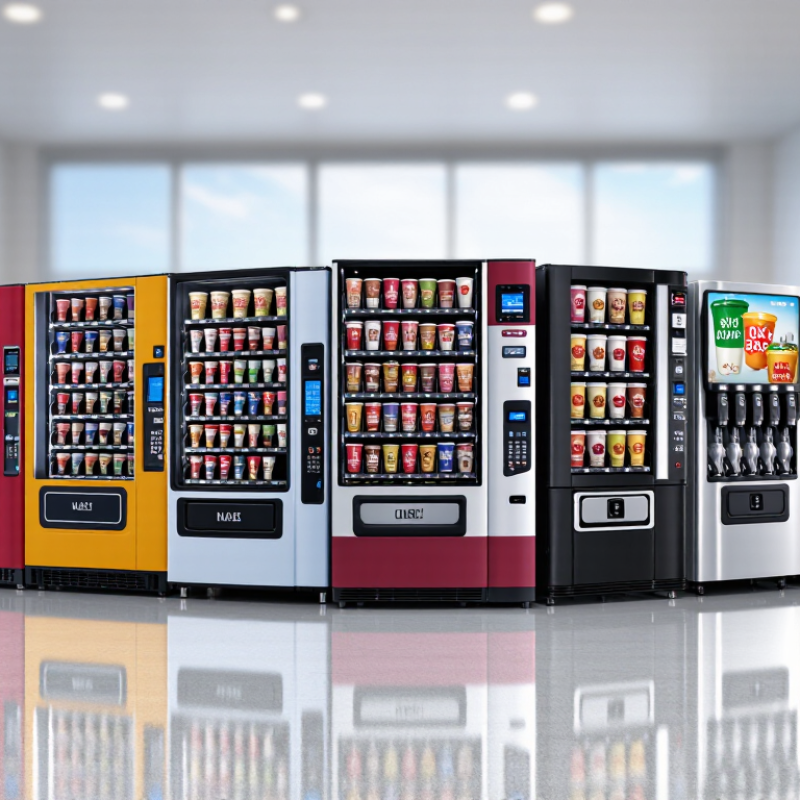
What Hot Drinks Vending Machines Are and How They Work
Hot drinks vending machines prepare and dispense beverages from a self-service cabinet. A customer chooses a drink and cup size on a screen or keypad. The controller checks that ingredients and cups are available before starting. A pump moves water from a tank or connected supply through a heater. Temperature controls help keep it hot without boiling away too much flavor.
The machine releases measured portions of coffee, tea, cocoa, or other ingredients into a mixing bowl. A small motor stirs the mixture, then a valve directs it into a cup. Sensors can detect empty cup stacks, low ingredient levels, or a brewing fault. The details matter. Payment systems authorize a purchase, while internal settings determine portion size and water temperature. Operators refill ingredients and clean contact surfaces on a schedule; neglected residue can affect taste and reliability. Hard water may also leave mineral deposits, so filtration and descaling needs should be checked for each site. A polished screen does not guarantee a good drink. Buyers should ask how the unit handles cleaning, ingredient storage, and service access before comparing its features.
Top 10 Hot Drinks Vending Machines for Global Buyers? - What Hot Drinks Vending Machines Are and How They Work
Hot drinks vending machines prepare and dispense beverages automatically, typically by heating water and combining it with coffee, tea, chocolate, milk, or other ingredients. The options below describe common machine types and configurations, not a ranked list of specific products. Features and capacity vary by model and market.
| No. | Machine type | How it works | Typical drinks | Where it may fit | Buyer checks |
|---|---|---|---|---|---|
| 1 | Bean-to-cup coffee machine | Grinds whole beans for each selection, doses the grounds, and passes heated water through them under pressure. | Espresso, black coffee, and milk-based recipes when a milk system is fitted. | Offices, hotels, and locations where freshly ground coffee is preferred. | Check grinder and brewer cleaning, bean storage, water connection, and service access. |
| 2 | Instant coffee vending machine | Meters soluble coffee powder into a mixing bowl, where it is blended with hot water before dispensing. | Instant black coffee and, with suitable ingredient canisters, coffee with milk or sweetener. | Shared spaces that need straightforward operation and a broad menu from shelf-stable ingredients. | Review powder compatibility, canister capacity, mixing-bowl cleaning, and ingredient availability. |
| 3 | Fresh-milk coffee machine | Brews coffee and draws chilled milk through a dedicated system to dispense it, often frothed or heated, with the coffee. | Cappuccino, latte, and other milk-based coffee drinks, depending on the recipe controls. | Sites able to manage refrigerated milk and frequent cleaning. | Confirm refrigeration, milk-system cleaning routines, food-safety requirements, and local service support. |
| 4 | Powdered hot-chocolate machine | Dispenses a measured portion of soluble chocolate or cocoa mix and mixes it with heated water. | Hot chocolate and, with additional ingredient canisters, other soluble drinks. | Schools, leisure venues, and workplaces seeking a non-coffee option. | Check powder flow, allergen information, recipe settings, and mixing-bowl maintenance. |
| 5 | Tea vending machine | Heats and dispenses water for tea; some configurations also dose soluble tea or provide a tea-bag selection process. | Hot water for tea bags, or prepared tea where the machine supports tea ingredients. | Locations where tea is a regular alternative to coffee. | Check whether tea is brewed, mixed from powder, or dispensed as hot water; confirm temperature controls. |
| 6 | Fresh-brew filter coffee machine | Heated water passes through ground coffee held in a filter; the brewed coffee is then delivered to a cup or serving vessel. | Batch-style black coffee; milk or sugar may be offered separately or through added systems. | Cafeterias and other locations with steady demand for regular coffee. | Ask about brew batch size, freshness management, filter supply, and grounds disposal. |
| 7 | Multi-canister soluble-drink machine | Uses separate ingredient canisters and mixing units to combine selected powders with hot water according to programmed recipes. | A configurable menu such as coffee, chocolate, and powdered milk drinks. | Sites that want several drink choices from a single machine. | Verify the number of ingredient positions, recipe flexibility, refill access, and cleaning requirements. |
| 8 | Hot-water and cup-dispensing machine | Heats and dispenses water and may release a cup automatically; users add their own tea bag, coffee, or other suitable mix. | Hot water for tea, instant coffee, and other drinks prepared by the user. | Self-service areas where users bring or select their own drink ingredients. | Check cup compatibility, water-temperature settings, refill arrangements, and whether a direct water supply is needed. |
| 9 | Compact countertop hot-drinks machine | Uses a smaller cabinet and ingredient or water system to prepare selected hot drinks; operation depends on its brewing technology. | A limited coffee, tea, or chocolate menu, depending on configuration. | Counters, small offices, and locations with limited floor space. | Measure counter clearance and check cup access, drainage, ventilation, and daily output suitability. |
| 10 | Freestanding high-capacity hot-drinks machine | A floor-standing vending cabinet stores ingredients and cups and prepares a selected drink after payment or user authorization. | Multiple coffee and soluble-drink choices; options depend on installed components. | High-traffic sites such as transport facilities, large workplaces, and public venues. | Confirm expected demand, payment options, cup and ingredient capacity, power and water requirements, and local maintenance coverage. |
Note: Actual drink menus, serving speed, capacity, electrical requirements, and water connections are model-specific. Buyers should verify these details with the supplier and check applicable local electrical, food-safety, and vending regulations.
Related Posts
-
How to Choose a Hot Drinks Vending Machine for Your Business?
-
2026 Best Card Machine for Small Businesses?
-
Why Choose Smart Vending Solutions for Global Business?
-
2026 Best Free Vending Machine Options for Your Business?
-
Navigating International Trade Certifications for the Best Card Machine Buying Guide
-
Revolutionizing Global Snack Culture: China’s Premier Vending Machines Take the World Stage