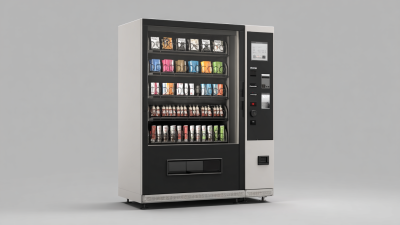
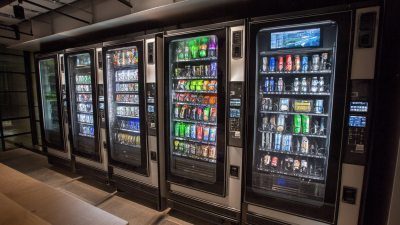
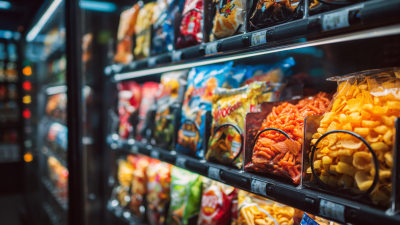
What is a Cold Vending Machine and How Does It Work?
Cold vending machines are transforming the way we access refreshments and snacks. According to recent market reports, the global vending machine industry is expected to reach over $30 billion by 2025, with cold vending machines leading the charge. These machines offer a variety of chilled beverages and fresh foods, meeting consumer demand for convenience and quality.
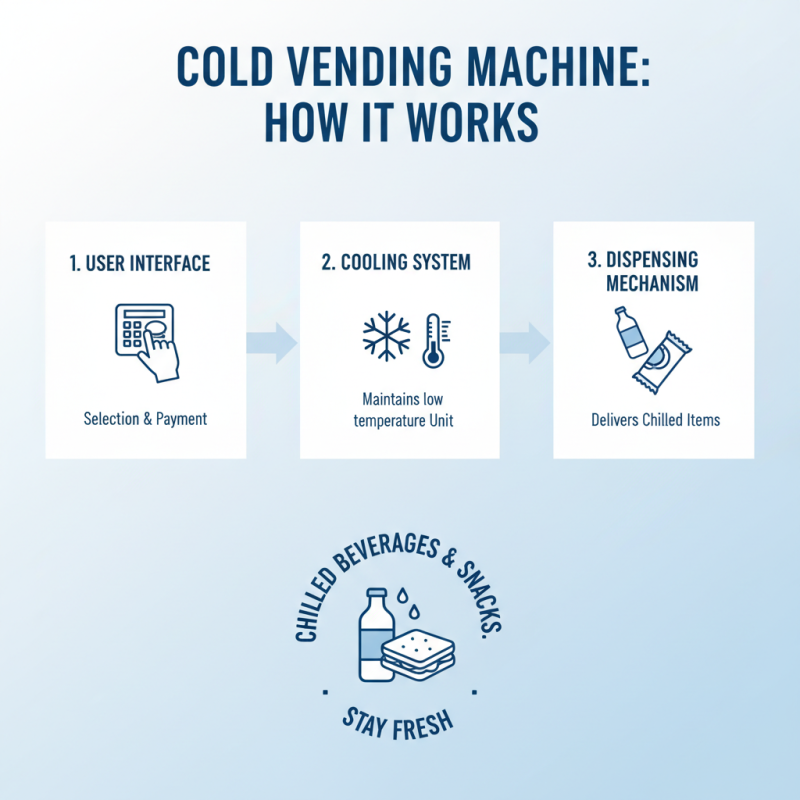
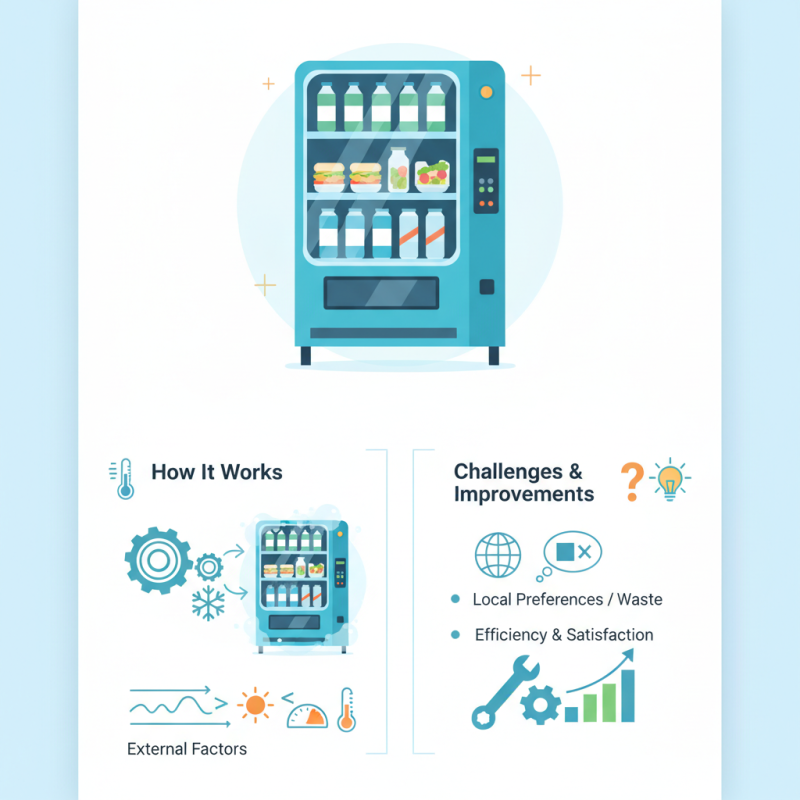
The operation of a cold vending machine is straightforward. These machines maintain a consistently low temperature to preserve items like soda, juices, and sandwiches. However, ensuring optimal temperature control can sometimes be a challenge. Factors like external temperatures may affect performance, leading to potential quality issues.
Though cold vending machines enhance accessibility, there are areas for improvement. For instance, the inventory may not always reflect local preferences. Operators often encounter issues with product waste. Addressing these challenges is essential for maximizing efficiency and consumer satisfaction.
Definition and Purpose of Cold Vending Machines
Cold vending machines are innovative devices designed to dispense chilled beverages and snacks. They provide convenience and quick access to refreshments, making them a popular choice in various settings. According to a recent industry report, the global vending machine market is expected to grow significantly in the next few years, driven by increased demand for on-the-go products.
The primary purpose of cold vending machines is to maintain the freshness of perishable items. These machines are equipped with refrigeration systems that ensure drinks remain at optimal temperatures. This not only enhances taste but also extends product shelf life. Studies show that 70% of consumers prefer chilled options when selecting beverages. This highlights the importance of cold vending machines in fulfilling consumer preferences.
Tips: Ensure the machine is located in high foot-traffic areas. Regular maintenance is crucial for optimal functionality. A poorly functioning machine could deter customers.
Cold vending machines also face challenges. For instance, they require regular stock replenishment. If a machine runs out of popular items, it can frustrate customers. Additionally, energy consumption is a concern. Operators should consider energy-efficient options to minimize costs and environmental impact.
What is a Cold Vending Machine and How Does It Work? - Definition and Purpose of Cold Vending Machines
| Feature |
Description |
| Temperature Control |
Maintains cold temperatures to preserve food and beverages |
| Power Source |
Operated using electricity or battery systems |
| Product Types |
Offers cold beverages, snacks, and sometimes dairy products |
| User Interaction |
Users select products via a touchscreen or button panel |
| Payment Methods |
Accepts coins, bills, credit/debit cards, and mobile payments |
| Installation Locations |
Common in schools, offices, gyms, and public areas |
| Maintenance |
Regular restocking and cleaning required for optimal performance |
Components of a Cold Vending Machine
A cold vending machine is designed to dispense chilled beverages and snacks. Its main components work together to provide a seamless experience for users. The cooling system is one of the most vital parts. It typically uses a refrigeration unit to maintain low temperatures. This ensures that drinks and perishable items stay fresh.
Shelving is another crucial element of the machine. The shelves are strategically arranged to optimize space and visibility. They allow customers to easily reach their desired products. Some machines feature a transparent front, so users can view the items inside without opening the door. However, locating a specific item can sometimes be tricky, leading to frustration.
Payment systems vary in complexity. While many machines accept cash, others offer digital payment options. This can create confusion for users unfamiliar with newer technology. Interactions with the machine can sometimes be frustrating. A few machines may jam or fail to dispense products. These issues require attention, as they can deter customers from using the machine again.
How Cold Vending Machines Maintain Temperature
Cold vending machines are designed to keep products at optimal temperatures. They use refrigerants and insulation to maintain this balance. According to industry data, properly functioning machines can keep items around 35°F to 50°F (1.5°C to 10°C). This range is essential for beverages and perishable snacks.
Temperature management is key. Most machines have embedded sensors that monitor conditions. If the temperature fluctuates, alarms trigger to alert operators. A report by the Vending Association indicated that 85% of cold vending machines experience temperature regulation issues. These problems can lead to food safety concerns and loss of product quality.
Regular maintenance is often overlooked. Neglected machines can lose efficiency. Cleaning coils and checking seals are crucial tasks. Some operators may focus solely on restocking. This approach can be shortsighted. Without proper attention to temperature control, products may spoil faster. This not only affects sales but also customer satisfaction.
Step-by-Step Process of Purchasing from a Cold Vending Machine
Using a cold vending machine is straightforward. Start by locating the machine in a convenient spot, often near public places.
Whether you’re at an airport or a train station, these machines offer chilled snacks and drinks.
Once you approach, check the display for available items. Cold vending machines have various products, from beverages to perishable snacks.
They often accept cash and card payments. Be sure to inspect the items. Items can vary in freshness. Sometimes, the
popular choices run out quickly.
When you're ready, select the item you want. Press the corresponding number on the keypad. Wait for the machine to dispense your choice.
It usually requires a few seconds. Sometimes, it may jam or fail to deliver. This can be frustrating but is not uncommon.
Tip: Always keep an eye on the expiration dates displayed. Look for products that are cooler to the touch.
This can indicate freshness.
Problems may arise during transactions. You might encounter issues with payment. Having a backup payment method can save time.
Make sure to follow any on-screen instructions carefully. This prevents confusion and errors in purchasing.
Advantages and Disadvantages of Using Cold Vending Machines
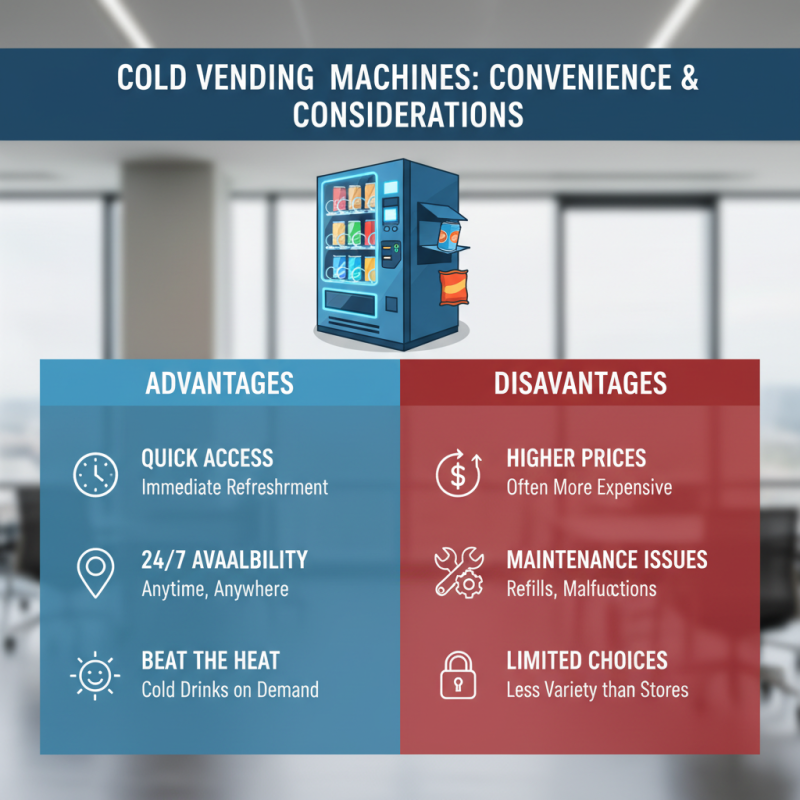
Cold vending machines offer a modern approach to convenience. They dispense cold beverages and snacks on demand. Many people appreciate the quick access to refreshments, especially during hot days. However, these machines come with advantages and disadvantages.
One advantage is the variety of options available. You can find drinks, sandwiches, and salads all in one place. This variety appeals to a wider market, satisfying different cravings. On the downside, not all machines keep items at the perfect temperature. Some beverages may be warmer than expected. This inconsistency can lead to disappointment.
**Tip:** Always check the labels for freshness.
Maintenance is another challenge. Cold vending machines require regular stock checks and cleaning. Neglecting these tasks can lead to unsanitary conditions. This may deter potential customers, impacting sales negatively.
**Tip:** Ensure regular maintenance schedules are in place.
Lastly, location plays a vital role in success. A cold vending machine in a busy area can thrive. However, a poorly placed machine might struggle. An ideal spot is near schools, parks, or gyms.
**Tip:** Research foot traffic before placement.