Choosing the best Card Machine supplier in China is not simply a search for the lowest factory price. It is a decision about dependable hardware, clear communication, and support after the first shipment. A terminal may look polished in product photos, yet daily use reveals more: keypad feel, screen visibility under bright shop lights, receipt speed, and how quickly a supplier answers a technical question.
A useful principle comes from hypothetical payments-hardware specialist Daniel Wu: “Test the support, not just the device.” This is an illustrative quote, not a statement from a real interview. It points buyers toward practical checks: request a working sample, confirm processor and connectivity options, review warranty terms, and ask how replacement parts are handled. Small details matter. A delayed reply before purchase can become a longer wait when a device needs attention.
This guide compares Chinese Card Machine suppliers through product range, manufacturing capability, quality controls, customization, communication, and after-sales service. It also considers what buyers can verify, rather than relying only on polished brochures or broad claims. Ask for relevant certifications and test reports, then confirm that they apply to the specific model being offered. A supplier’s scale may help, but it does not guarantee a smooth project. That part is easy to overlook. The best choice depends on your transaction needs, rollout size, and tolerance for support delays. One honest limitation: supplier information can change, so current claims deserve direct confirmation before an order.
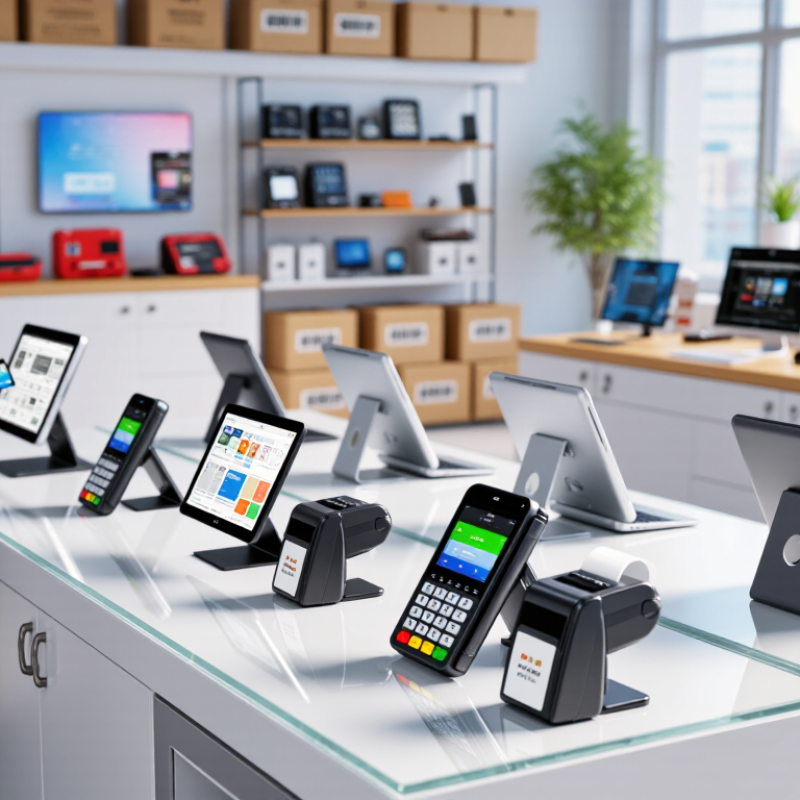
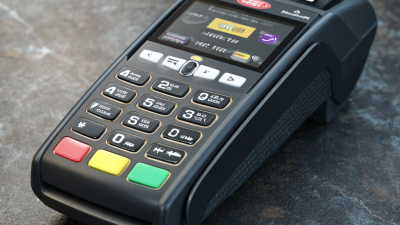
A card machine, also called a payment terminal, lets a business accept card payments at checkout. Depending on its design, it may read a chip or process a contactless tap. Some models also accept magnetic-stripe cards. Many connect to a cash register or point-of-sale system, while standalone units can operate independently. They may use Wi-Fi, Ethernet, or a mobile network. The terminal sends transaction information through a payment service for authorization. It does not store or manage the customer’s funds. Not a cash register.
These machines are used in shops, cafés, restaurants, hotels, market stalls, and mobile service businesses. A countertop unit suits a fixed checkout, while a portable terminal lets staff take payment at a table or delivery point. For example, a server can bring a handheld device to a customer instead of carrying the card away. When comparing a supplier in China, ask which payment methods, network bands, and point-of-sale systems each model supports. Confirm how software updates and technical support are handled, too. In practice, setup can be less tidy than a product sheet suggests; compatibility depends on the terminal, payment provider, and local configuration.
A reliable card machine supplier in China is more than a factory with a polished demo. Look for consistent production, clear technical documents, and support after shipment. Ask for the exact terminal model, firmware version, and relevant EMVCo and PCI PTS approvals. Verify that documents match the hardware you will receive. Small detail, big difference.
Payment needs are changing quickly. Worldpay’s Global Payments Report 2024 estimated that digital wallets represented 30% of global in-store transaction value in 2023. A supplier should explain which contactless, chip, and wallet payment methods each device supports, rather than promise that every terminal works everywhere. Request sample units and test them with your payment software, receipts, network, and daily transaction volume. A smooth counter checkout is a better test than a brochure.
Reliability also shows up when something goes wrong. Ask about spare-part availability, repair turnaround, firmware updates, and who handles technical questions across time zones. Get service terms in writing, including what happens when a batch fails inspection. A low quote can hide expensive delays. I would still compare suppliers carefully: a successful sample does not prove that every production unit will perform the same way. Check a production batch before placing a large order.
Suggested evaluation weights for comparing suppliers. These are illustrative priorities, not measured market statistics.
Prioritize verifiable product compliance and dependable performance, then assess manufacturing quality, customization, after-sales support, and communication. Request relevant certificates, test records, quality-control documentation, and service terms before making a decision.
Chinese suppliers offer several card machine types, from fixed countertop units to portable terminals. Countertop models suit busy checkout desks, where stable power and wired connectivity matter. A cashier can keep the terminal beside the till and print receipts without moving around.
Portable machines use Wi-Fi, cellular networks, or both. They work well in cafés, delivery settings, and shops with large floor areas. Check battery life against a full shift, not just the supplier’s best-case estimate. Some suppliers also offer compact mobile terminals that connect to a phone or tablet. They save space, though the screen and receipt options may feel limited during a rush.
For self-service, suppliers make unattended terminals for kiosks, parking systems, and vending equipment. Android-based smart terminals can run checkout apps and support larger touchscreens, while simpler models focus on taking payments and printing receipts. Ask about supported payment methods, operating system updates, network bands, printer paper sizes, and spare parts. A sample unit can reveal button response, screen glare, and how quickly receipts feed. That matters. Specifications are useful, but a small detail may be missed in a product sheet; test the device with your actual counter layout and daily transaction pattern.
A card machine supplier should be compared on evidence, not polished sales language. Ask for a sample unit and test it with different cards, network conditions, and repeated transactions. Check whether the screen stays readable under bright light, buttons respond consistently, and receipt printing remains clear. Small defects matter. A loose charging port or fading keypad can become a daily frustration.
Review the quality-control process, including incoming-part checks, production testing, and how faults are handled after delivery. Ask for the inspection records for the exact model you plan to buy. Certifications also need careful checking. Request the certificate number, issuing organization, validity dates, and covered model; then confirm these details independently. A test report is not always the same as a certificate. Requirements can vary by destination market, so verify which approvals apply before placing an order. Factory photos help, but they do not prove consistent production. If possible, arrange an independent factory audit or inspect a pre-shipment sample. Compare warranty terms, spare-part availability, repair response times, and production lead times in writing. I would still leave room for doubt: one sample cannot reveal every production issue. Keep a clear acceptance checklist and record any agreed changes before payment.
Use this supplier scorecard to compare proposals consistently. The weights and scoring thresholds below are suggested evaluation criteria, not verified ratings of individual suppliers.
| Evaluation Dimension | Suggested Weight | What to Compare | Evidence to Request | Scoring Guidance (0–5) |
|---|---|---|---|---|
| Payment Security | 20% | Whether the offered terminal model has the security approvals required for your payment use case and target markets. | Current PCI SSC listing or approval details for the exact device and configuration; documented key-management and firmware-update processes. | 5 = applicable approval is independently verifiable for the offered model; 0 = approval is absent, expired, or cannot be matched to the product. |
| Payment Application Compatibility | 15% | Support for the contact, contactless, and mobile-wallet payment methods required by your acquirer, processor, and markets. | EMVCo approval details where applicable, supported kernel and application versions, and written confirmation from your payment processor or acquirer. | 5 = exact configuration is confirmed compatible by the relevant payment partners; 0 = compatibility is unsupported or unverified. |
| Regulatory Compliance | 15% | Compliance for the destination country, radio functions, power supply, materials, and product configuration. | Applicable test reports, declarations of conformity, radio approvals, and material-compliance documentation. Check requirements for each destination market. | 5 = complete, current documents match the exact model and market; 0 = required evidence is missing or does not match. |
| Product Quality and Reliability | 15% | Build quality, component consistency, battery performance, display and printer performance, and controls for defects. | Product specifications, sample units, test plans and results, warranty terms, and quality-control procedures for incoming, in-process, and final inspection. | 5 = samples pass agreed tests and quality controls are documented; 0 = samples or records fail agreed requirements. |
| Manufacturing and Traceability | 10% | Production capacity, component sourcing controls, change management, serial-number tracking, and the ability to maintain consistent revisions. | Factory audit or production-process records, sample batch documentation, traceability examples, and notification procedures for design or component changes. | 5 = documented traceability and change control are demonstrated; 0 = production controls cannot be evidenced. |
| Software, Integration, and Support | 10% | Operating-system support, SDK and API availability, integration effort, security updates, and technical support coverage. | SDK documentation, integration test support, software-update policy, issue-escalation process, and support hours and languages. | 5 = documentation and support arrangements meet the project requirements; 0 = essential integration or maintenance support is unavailable. |
| Delivery and Commercial Terms | 10% | Quoted lead time, minimum order quantity, sample availability, payment terms, shipping terms, and spare-parts availability. | Written quotation, production schedule, sample order terms, shipping assumptions, and spare-parts and warranty policy. | 5 = terms are clear, complete, and workable for the project; 0 = key costs, timelines, or obligations are unclear. |
| Company Management Systems | 5% | Whether relevant management-system certifications support the supplier’s quality or environmental processes. | Current certificate, issuing body, validity dates, certified site, and scope. For example, ISO 9001 concerns quality-management systems; it does not certify a specific terminal as secure or compliant. | 5 = certificate is independently verifiable and its scope is relevant; 0 = certificate is missing, invalid, or outside the stated scope. |
| Total | 100% | Calculate each weighted score as (score ÷ 5) × dimension weight, then add the results. Verify critical approvals and market compatibility independently before placing an order. | ||
Note: PCI PTS POI approval relates to payment terminal security requirements; PCI DSS applies to entities and environments that store, process, or transmit cardholder data. EMVCo approvals, regulatory approvals, and management-system certificates have different scopes and should not be treated as interchangeable.
Choose a supplier by checking evidence, not promises. Ask for business registration details, product specifications, and quality-control records. Confirm that the machine’s communication options, printer, battery, and payment functions match your needs. Request relevant test reports and verify them with the issuing organization when possible. A polished factory tour is useful, but it cannot prove consistent production.
Before placing a large order, test samples under realistic conditions. Print repeated receipts, check charging time, and test connections in areas with weak signals. Ask how defects, spare parts, software updates, and warranty claims are handled. Get delivery dates, inspection requirements, and payment terms in writing. I would not rely on a sample alone; production batches can differ, so agree on a pre-shipment inspection.