Top Electrical Connectors at 2026 Canton Fair What to Expect?
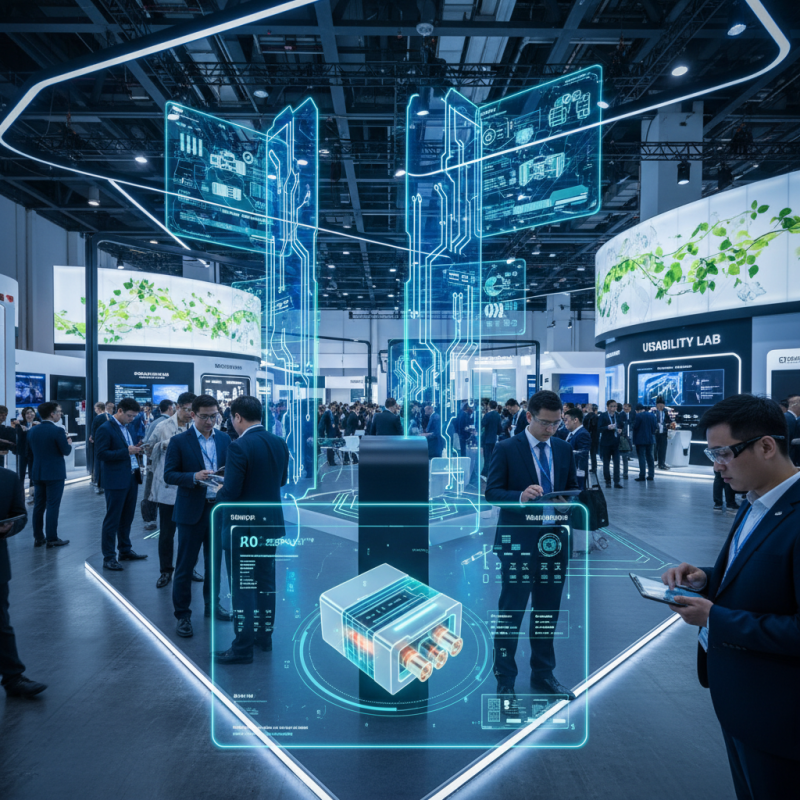
The upcoming 2026 Canton Fair promises to be a significant event for the Electrical Connector industry. Scheduled for April 15-19, the fair will showcase advanced manufacturing and electronic appliances, highlighting the latest in electrical connector technology. This year, the introduction of AI features will revolutionize the shopping experience. Buyers can quickly identify suppliers with specific qualifications, like ISO and CE certifications.
As the fair expands its reach over 1.55 million square meters, efficiency will be critical. Navigating through various booths will become easier with smart navigation tools. Attendees can expect to see innovative electrical connectors that meet modern demands. However, the challenge remains: will these innovations address the practical needs of consumers?
Moreover, while the advancements are exciting, companies must reflect on sustainability and usability. Electrical connectors' design and performance must evolve in response to growing environmental concerns. The fair may reveal an array of promising innovations, yet it is essential for manufacturers to consider the real-world impact of their products.
Top Trends in Electrical Connector Design for 2026 Canton Fair
As the 2026 Canton Fair approaches, expect to see significant shifts in electrical connector design. Innovations aim to enhance efficiency and sustainability. Manufacturers are focusing on miniaturization, creating more compact connectors that save space in applications. This trend promotes lightweight designs, making them suitable for modern electronic devices.
Another key aspect is the push for eco-friendly materials. Many companies are exploring alternatives to traditional plastics. They are investing in biodegradable materials, which could reduce environmental impact. However, there is a challenge in balancing performance and sustainability. Finding materials that meet both standards isn't easy.
Connectivity is also evolving. Smart connectors are gaining traction, featuring built-in sensors for real-time monitoring. This integration can improve the reliability of electrical systems. However, technical complexities can arise. Ensuring compatibility across various platforms remains a concern for engineers. The journey towards the perfect connector is ongoing.
Market Growth Projections for the Electrical Connector Industry by 2026
The electrical connector industry is poised for significant growth by 2026. Market research suggests a compound annual growth rate (CAGR) of approximately 6.2% from 2021 to 2026. Factors driving this growth include the rising demand for electric vehicles and renewable energy sources. These sectors require efficient and reliable connectors for optimal performance.
Moreover, the Asia-Pacific region is expected to dominate the market, accounting for over 40% of the global share. With continuous technological advancements, new connector designs are emerging. However, industry players face challenges like supply chain disruptions and a shortage of skilled labor. These issues could hinder immediate growth and innovation.
Specifically, the demand for miniature connectors and eco-friendly materials is on the rise. The market is witnessing a shift towards sustainable solutions. Despite these trends, companies must adapt to changing regulations and technological advancements. Failure to do so may result in lost opportunities in a rapidly evolving landscape.
Key Technologies Driving Innovation in Electrical Connectors
The electrical connector industry is undergoing rapid changes driven by technology. A recent report by MarketsandMarkets indicates a projected growth rate of 7.4% from 2021 to 2026. This growth is fueled by the rise of electric vehicles, renewable energy systems, and increased automation. These sectors demand reliable and efficient connectors that can handle high power and extreme conditions.
Innovations are emerging in materials and designs. For instance, new polymers are lighter and more resistant to harsh environments. According to a study by Research and Markets, connectors using these advanced materials have seen a 20% increase in performance ratings. This shift is essential for applications in aerospace and automotive industries where reliability is key.
However, challenges exist. The rapid pace of innovation often outstrips industry standards. Manufacturers face pressure to keep up with evolving technologies while ensuring safety and compliance. There is a need for ongoing training and development, as many engineers struggle with the integration of new materials. Addressing these gaps is crucial for future growth, particularly as we look toward events like the 2026 Canton Fair. It's a reminder that innovation must align with practical application.
Sustainability and Eco-friendly Practices in Electrical Connector Manufacturing
The 2026 Canton Fair will spotlight innovations in electrical connectors, particularly those that prioritize sustainability. Manufacturers are increasingly adopting eco-friendly practices. More companies are embracing recycled materials in their products. This shift reduces waste and minimizes environmental impact significantly.
Workers in the industry often grapple with the challenge of balancing efficiency and sustainability. Achieving eco-friendly goals can lead to higher costs and complicated processes. Many companies still need more investment in greener technologies. However, promising strides are being made in energy-efficient manufacturing methods.
Consumer demand for green products is rising. This trend influences manufacturers to rethink their supply chains. It's a complex journey filled with obstacles. Yet, the potential for positive change is undeniable. As we move towards more responsible manufacturing, the hope is for a future that prioritizes both performance and the planet.
Global Supply Chain Dynamics Impacting Electrical Connector Availability in 2026
As the 2026 Canton Fair approaches, the electrical connector market faces unique challenges. Global supply chain dynamics play a crucial role in shaping availability. Companies are seeing fluctuations in material costs and transportation delays. These factors are creating tensions that affect reliability.
Demand for electrical connectors remains high across various sectors. However, suppliers struggle to keep pace due to ongoing disruptions. Production schedules often shift, leaving insufficient inventory. Buyers might encounter longer lead times, complicating project timelines. A proactive approach is essential for companies relying on these connectors.
It is important to consider alternative sources during this uncertain period. Diversifying supply chains can mitigate risks associated with shortages. Sustainable practices can also play a role in future availability. As we head into the fair, expect innovation and adaptability to take center stage. But, the question remains: are we prepared for the unexpected?
Top Electrical Connectors at 2026 Canton Fair