What is a Smart Home Panel and How Does it Work?
In today's digital age, a Smart Home Panel stands at the center of modern living. It serves as the control hub for various smart devices in a home, allowing users to manage lighting, security, and temperature with ease. The convenience offered by a Smart Home Panel transforms everyday life, making it smarter and more efficient.
However, the effectiveness of these panels can vary significantly. Users may find some models complicated or lacking in certain features. The user experience can sometimes feel overwhelming. For those new to smart technology, adapting to a Smart Home Panel may present challenges. It’s essential to research options thoroughly. Understanding your needs and preferences is crucial to making the right choice.
A Smart Home Panel can enhance home security and energy efficiency. Yet, it's important to remain cautious regarding privacy concerns. As we embrace smart technology, we must also reflect on potential drawbacks. Ultimately, a Smart Home Panel can greatly improve convenience, but careful consideration is vital for the best experience.
What is a Smart Home Panel?
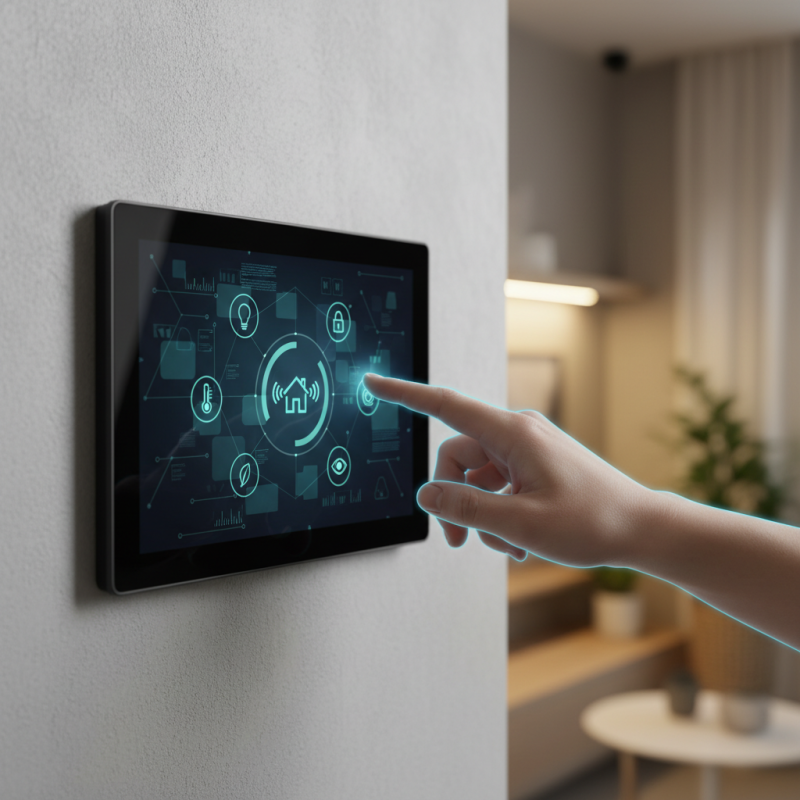
A smart home panel is a central device that manages various smart devices in your home. This panel acts as a hub, allowing users to control lighting, heating, security, and even appliances from one location. With its user-friendly interface, a smart home panel can simplify daily routines. It connects to your Wi-Fi network, enabling control through apps on smartphones or tablets.
When setting up your smart home panel, consider your home's layout. Ensure the panel is accessible and in a central location. This enhances connectivity with all smart devices. It should integrate with devices like cameras, thermostats, and sensors. Compatibility is essential; not all devices are made to work together.
Tips: Make a checklist of the devices you want to control. This can help avoid connectivity issues later. Regularly update the software of your smart home panel to maintain security and functionality. Also, reflect on how usage changes over time. You might find some devices are less critical than initially thought. Embrace the evolving nature of technology in your home!
What is a Smart Home Panel and How Does it Work?
| Feature | Description | Benefit |
| Touchscreen Interface | User-friendly interface for controlling home devices. | Easy access and control of smart home features. |
| Voice Control | Integration with voice assistants like Alexa or Google Assistant. | Hands-free operation for convenience. |
| Remote Access | Control devices from anywhere using a mobile app. | Increased flexibility and security monitoring. |
| Home Automation | Schedule and automate tasks like lighting and temperature settings. | Energy efficiency and convenience. |
| Security Features | Monitoring and alerts for security breaches. | Enhanced safety for your home. |
Key Features of Smart Home Panels
Smart home panels act as the central hub for various smart devices in your home. They enable users to control lighting, climate, security, and entertainment systems from one interface. This integration streamlines daily tasks and enhances convenience.
Key features of smart home panels include touch interfaces for easy navigation. Many panels display real-time information, such as energy usage and weather updates. Voice control is also common, allowing hands-free operation. In addition, mobile app compatibility lets homeowners monitor systems remotely.
However, not all panels are user-friendly. Some may feel overwhelming with too many features. Users often struggle with setup and integration with existing devices. Also, security concerns remain, making it vital to prioritize data protection. Constant updates are essential for maintaining functionality and safety.
Smart Home Panel Features Overview
How Smart Home Panels Integrate with Devices
Smart home panels act as central hubs for various smart devices in a home. They facilitate seamless communication between devices, ranging from smart lights and thermostats to security systems. According to a recent market report, the global smart home market is projected to reach $174 billion by 2025, highlighting the growing importance of integration.
Integrating devices through smart home panels opens up possibilities. For instance, a user can establish routines that automate heating and lighting based on occupancy. Reportedly, around 65% of smart home users find automation enhances their control. However, compatibility issues between devices remain a significant challenge. Not all devices communicate well, which may frustrate users.
Security is another critical aspect of integration. Studies show that 70% of consumers are concerned about data privacy when using smart home technology. Developers must prioritize robust security measures to protect user data. In addition, users should regularly review their device settings to ensure optimal security. Proper integration of smart home panels with devices requires both technical knowledge and a user-centric approach.
The Technology Behind Smart Home Panels
Smart home panels are central to modern home automation, acting as a hub that connects various smart devices. They utilize technologies such as Zigbee, Z-Wave, and Wi-Fi for seamless communication. A recent report from MarketsandMarkets indicates that the smart home industry will grow to $174 billion by 2025, underscoring the demand for integrated solutions.
These panels enable users to control lighting, security, and temperature from a single interface. This convenience enhances user experience but also raises questions about security. A study from McKinsey revealed that 40% of smart home users report concerns about data privacy. This hesitance can limit the full potential of smart home innovations.
Moreover, technology is evolving rapidly. Voice control and AI integration are becoming standard, but they can introduce complexities. For instance, users may struggle with voice recognition accuracy, leading to frustration. As the industry matures, addressing these challenges will be crucial for user adoption and satisfaction.
Benefits of Using a Smart Home Panel
A smart home panel serves as the control center for modern smart home technology. It allows users to manage various devices seamlessly. With a user-friendly interface, homeowners can monitor security systems, control lighting, and adjust temperatures—all from one place. This integration brings convenience to daily routines.
One significant benefit of using a smart home panel is increased energy efficiency. You can track energy consumption in real time. Many panels offer suggestions on how to reduce usage, which can lead to lower bills. Moreover, some systems allow you to schedule devices. For example, setting lights to turn off when not needed saves both energy and money.
Another advantage is enhanced security. A smart home panel can connect with cameras and alarms. This means you can view live feeds and receive alerts instantly. It offers peace of mind when you're away from home. However, security is not without challenges. Users must regularly update passwords and settings to ensure safety. The convenience of connected devices can sometimes lead to vulnerabilities. Therefore, being proactive about security is essential for all homeowners.