What Is an LED Screen and How Can It Benefit Your Business?
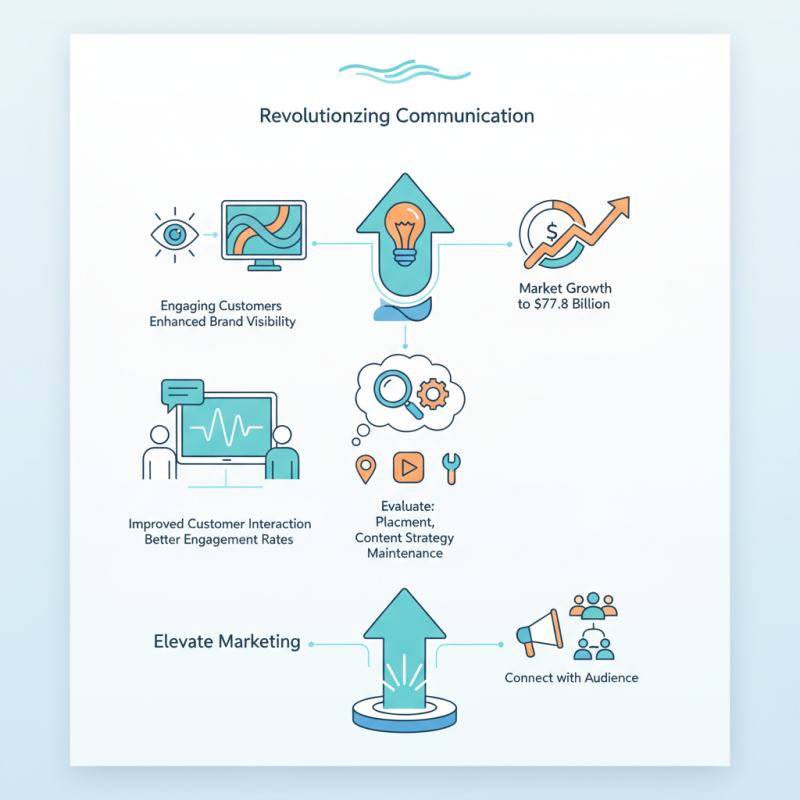
LED Screens have revolutionized how businesses communicate visually. According to a report by MarketsandMarkets, the LED display market is projected to reach $77.8 billion by 2023, fueled by demand across various industries. This growth reflects the significant impact LED technology has on engaging customers and enhancing brand visibility.
Industry expert Dr. John Miller states, "LED screens are not just displays; they are powerful tools for storytelling." Businesses that adopt LED technology can expect improved customer interaction and better engagement rates. Bright, vibrant displays capture attention and convey messages effectively.
However, businesses must reflect on their unique needs before integrating LED screens. Not every setting benefits equally from this technology. Evaluating placement, content strategy, and maintenance is essential to maximize the advantages. By thoughtfully implementing LED screens, businesses can elevate their marketing efforts and connect deeper with their audience.
Definition and Basic Functionality of LED Screens
LED screens, or Light Emitting Diode screens, represent a significant advancement in display technology. They are composed of an array of small LEDs that emit light in different colors when an electric current passes through them. This functionality allows for bright, vibrant images and videos, making LED screens ideal for various applications. According to industry reports, the global LED market is expected to reach $80 billion by 2026, driven by increasing demand across commercial and industrial sectors.
Business benefits from LED screens can be profound. Their energy efficiency makes them a cost-effective choice in the long run. Studies indicate that LED screens use up to 75% less energy than traditional lighting methods. Moreover, the lifespan of an LED screen can exceed 100,000 hours, reducing maintenance costs. These screens also offer high resolution and contrast, allowing businesses to create captivating displays that attract customers. However, the initial investment can be a barrier for some.
Adoption may not always be seamless. Businesses must consider installation logistics and ongoing content management. The technology evolves rapidly, requiring updates and adaptations. In a world where consumer attention span is limited, it is crucial for businesses to leverage the vibrant capabilities of LED screens effectively. Some companies may feel overwhelmed by the choices available. Understanding the unique needs of each business is essential before making a decision.
Benefits of LED Screens for Businesses
Types of LED Screens and Their Applications in Business
LED screens have become a staple in modern business environments. They come in various types, each serving unique functions. One popular type is the outdoor LED display. This type is perfect for advertising and displays, and it can capture the attention of passersby. According to a report by MarketsandMarkets, the global outdoor LED display market is expected to reach $28 billion by 2024, providing ample opportunities for businesses to engage customers.
Another notable type is the indoor LED screen. These screens are used for presentations in conference rooms, enhancing visual communication. Retailers use them to highlight promotions and new products. An Infocomm report notes that businesses utilizing stunning visuals see a 60% increase in customer engagement. However, using LED screens effectively requires thorough planning. For example, the location and angle of the installation can significantly impact visibility.
Tips for installation: Ensure screens are placed at eye level for maximum impact. Consider the surrounding lighting conditions, which can affect visibility. Regular maintenance of LED screens is crucial. Neglecting this can diminish image quality over time. Being aware of these factors can enhance your investment in LED technology.
Advantages of Using LED Screens for Business Promotion
LED screens have become a vital tool for businesses looking to enhance their promotional strategies. These displays capture attention more effectively than traditional signage. Their bright colors and dynamic content can draw in potential customers. Visible from a distance, LED screens can maximize exposure for promotions or events.
One key advantage of LED screens is their versatility. Businesses can easily update the content. This means you can promote new products or services instantly. Moreover, you can tailor messages for various audiences throughout the day. It allows for a more engaging customer experience.
Tips for effective use of LED screens: Keep text simple. Use bold visuals to capture attention. Test different messages to see what resonates best with your audience. Regularly assess the effectiveness of your displays. Make sure the content is relevant and appealing to stay competitive. Always consider your brand’s voice and unique selling points when designing your messages. This creates a memorable impression on customers.
What Is an LED Screen and How Can It Benefit Your Business? - Advantages of Using LED Screens for Business Promotion
| Feature | Description | Benefits |
| High Brightness | LED screens produce bright images and videos that are visible even in daylight. | Increases visibility and audience engagement during daytime. |
| Energy Efficiency | LED screens consume less power compared to traditional displays. | Reduces electricity costs and promotes sustainability. |
| Versatile Content | Supports various formats, including videos, animations, and text. | Allows for dynamic advertising and constant content updates. |
| Durability | Built to last with weather-resistant features. | Long-term investment with lower maintenance costs. |
| Customization | LED screens can be tailored to fit any business need or branding requirement. | Enhances brand identity and aligns with marketing strategies. |
| Interactivity | Can integrate with touch technology or sensors for an interactive experience. | Boosts customer engagement and offers a unique experience. |
Cost Considerations and ROI of LED Screen Investment
Investing in LED screens can be a game-changer for many businesses. However, it’s important to assess the costs versus the benefits. Upfront costs can be significant. You might spend thousands for high-quality displays. Installation expenses add to the budget too.
But consider the potential for return on investment (ROI). LED screens attract attention and enhance customer engagement. Businesses using them report increased sales. Their brightness and vibrant colors can showcase promotions effectively. This visual appeal often leads to a faster customer decision-making process, which is invaluable.
Long-term, LED screens are energy-efficient and durable. They reduce maintenance costs since they last longer than traditional displays. However, businesses must keep pace with rapid technological changes. What seems like a great investment today may need replacement sooner than expected. Do businesses truly understand the full implications of such technology? Monitoring the ongoing performance and adapting strategies is crucial for maximizing ROI.
Maintenance and Care Tips for LED Screens in Commercial Use
LED screens are becoming a staple in commercial environments. They attract attention with vibrant colors and clarity. However, maintaining these screens is crucial for their longevity and effectiveness. Regular inspections can prevent minor issues from escalating. Check for dead pixels or fading colors. Dust and dirt can accumulate, impacting image quality.
Cleaning should be part of your routine. Use a soft, dry cloth to wipe the screen. Avoid harsh chemicals, as they can damage the surface. A gentle cleaning solution can be used for stubborn stains. Remember, the right approach can enhance the screen's lifespan.
Temperature and humidity also play a role in the performance of LED screens. Too much moisture can lead to malfunctions. Ensure proper ventilation in the installation area. Be aware of the conditions surrounding the screen, as they affect its operation. Regular maintenance checks are essential. They help ensure your investment continues to perform at its best.