How to Choose the Best Weed Barrier Fabric for Your Garden?
When it comes to creating a thriving garden, selecting the right Weed Barrier Fabric is crucial. Gardening expert, Dr. Jane Thompson, once said, “Choosing the best fabric can mean the difference between success and failure in your garden.” This highlights the significance of making an informed choice.
Weed Barrier Fabric is designed to suppress unwanted growth while promoting the health of your plants. The market offers various options, each with unique features. Many gardeners overlook the fabric's durability and permeability, leading to poor results. It’s essential to consider soil conditions and plant types when selecting a barrier.
Dr. Thompson emphasizes, "Not all barriers are created equal." This statement resonates with gardeners who have faced challenges. Picking the right fabric can save time and effort. However, many still struggle with decisions. Exploring different fabrics might reveal a better fit for your garden needs. Investing time in research is vital for gardening success.
Understanding Weed Barrier Fabrics: Types and Materials
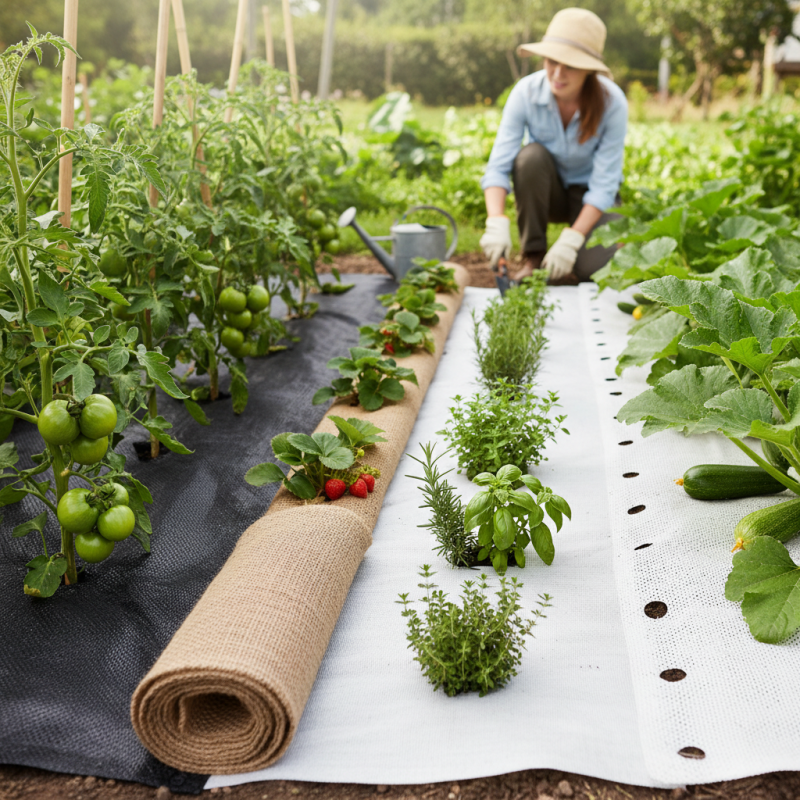
When selecting the right weed barrier fabric, understanding the types and materials is essential. Several options are available. Synthetic fabrics, like polypropylene, are durable and provide effective weed control. They allow water and nutrients to pass through, making them ideal for vegetable gardens. However, they may break down over time under UV light. On the other hand, biodegradable fabrics are made from materials like jute or coir. These options decompose slowly and enrich the soil. They are great for those seeking environmentally friendly solutions.
Tips: Consider your garden’s specific needs. Are you planting perennials or annuals? For perennials, a durable synthetic fabric may work best. For annuals, a biodegradable fabric can enhance soil health as it breaks down.
Knowing about woven and non-woven options can also help. Woven fabrics have better durability and weed prevention, but they can be harder to install. Non-woven options are lighter and easier to lay down, yet they might not offer the same longevity. This can lead to difficult decision-making. Test a small area before committing to a large installation.
Key Factors to Consider When Choosing a Weed Barrier Fabric
Choosing the right weed barrier fabric for your garden involves several key factors. First, consider the material. Options include woven and non-woven fabrics, which offer different levels of durability and permeability. Woven fabrics allow water and nutrients to penetrate while blocking sunlight. Non-woven varieties inhibit weed growth but may require regular maintenance.
Think about the thickness of the fabric. Thicker materials generally provide better protection against weeds. They can also withstand harsh weather conditions. However, very thick fabrics may complicate installation and repair. Balance between weight and effectiveness is essential for optimal results.
Tips: Test various fabrics in a small area before full installation. This helps assess their effectiveness in your garden's unique conditions. Also, ensure proper installation with overlapping seams to prevent weed breakthrough. Frequently inspect your chosen fabric for wear and tear. Remember, regular maintenance is crucial for long-lasting results. Don't be afraid to adapt your strategy as your garden evolves. What works today may need adjustment tomorrow.
Evaluating Durability and Longevity of Weed Barrier Options
Choosing the right weed barrier fabric involves evaluating its durability and longevity. A good quality fabric can withstand harsh conditions while preventing weed growth. Some fabrics are made from woven materials, while others are non-woven. Woven fabrics often boast stronger durability, but they can deteriorate over time when exposed to sunlight. Non-woven options may offer better water permeability. Each has its place in gardening, depending on your needs.
Tips for assessing durability include checking the UV resistance of the material. Look for products that specify their resilience against sunlight. Additionally, weight matters. Heavier fabrics usually indicate better quality and longevity. Don't forget to consider the type of soil and plants you have. Some barriers may hold moisture too much for specific plants.
It's essential to reflect on your garden's unique conditions. What works for one area may not work for another. Observe your garden's sun exposure and soil type before making a choice. Investing time in selecting the right fabric can save you from headaches later. Remember, not all weed barriers are created equal, and trial and error may guide you toward the best option for your garden.
Installation Tips for Maximizing Weed Barrier Effectiveness
When installing a weed barrier fabric, preparation is key. Begin by clearing your garden area of existing weeds and debris. Removing all vegetation ensures the fabric lays flat and functions properly. Inspect the soil for uneven spots. Leveling the ground can help prevent water accumulation, which may lead to weed growth. Pay attention to the edges of the fabric, as these areas are prone to weed infiltration.
After laying the fabric, secure it firmly with landscape staples. Ensure that seams overlap by at least six inches. Overlapping prevents weeds from sneaking through the gaps. Use a shovel to place soil on top of the edges. This extra weight helps keep the fabric in place, especially during high winds or heavy rain.
Make certain to monitor your garden regularly. Check for any signs of weeds emerging. Sometimes weeds can break through the fabric. Adjust or replace damaged sections of the barrier as needed. Regular maintenance can extend the effectiveness of your weed barrier. Taking these steps can make a significant difference in your gardening success.
Maintenance and Care for Your Weed Barrier Fabric in the Garden
When utilizing weed barrier fabric in your garden, maintenance is crucial for its longevity. Regular checks can prevent potential issues. Look for any signs of wear, like fraying edges or tears. Small holes can often be repaired with fabric adhesive or tape. This can prolong the fabric's usefulness and prevent weeds from sneaking through.
Another important aspect to remember is cleaning the fabric. A buildup of dirt or organic matter can undermine its effectiveness. Gently rinse the fabric with water or use a soft brush to remove debris. After a heavy rain or wind, it's wise to inspect the fabric again. Sometimes, it shifts or needs adjustments. Challenging conditions, like heavy rainfall or frost, can impact its performance.
Be mindful of seasonal changes. Different times of the year may impose different stresses on the fabric. In fall, for example, fallen leaves can accumulate, obstructing water flow. In spring, new weeds may sprout through any small gaps. Reflect on these factors regularly. Observing how your fabric interacts with the garden environment will help optimize its use.
How to Choose the Best Weed Barrier Fabric for Your Garden? - Maintenance and Care for Your Weed Barrier Fabric in the Garden
| Type of Weed Barrier Fabric | Material | Weed Control Duration | Water permeability | Maintenance Frequency |
| Woven Fabric | Polypropylene | 3-5 years | High | Low |
| Non-Woven Fabric | Polyester or Polypropylene | 1-3 years | Medium | Medium |
| Biodegradable Fabric | Natural fibers (e.g., jute, cotton) | Less than 1 year | Varies | High |
| Plastic Mulch | Polyethylene | 2-4 years | Low | Low |