
In today's competitive landscape, businesses are constantly seeking ways to improve efficiency and product quality. One effective solution is the Magnetic Separator Machine. This equipment plays a vital role in various industries by removing metal contaminants from materials. The importance of using such machines cannot be understated. They enhance product purity, ensuring customer satisfaction.
Implementing a Magnetic Separator Machine can lead to significant cost savings. For instance, it minimizes equipment wear and tear by preventing metal debris from damaging machinery. In addition, it reduces waste, as cleaner materials often mean fewer rejected batches. Businesses that leverage this technology can gain a competitive edge.
Nonetheless, selecting the right Magnetic Separator Machine requires careful consideration. Factors like material type, magnetic strength, and installation costs need evaluation. Mistakes in this area could result in inefficiencies or operational delays. Thus, investing time in research is crucial. Overall, the Magnetic Separator Machine offers essential benefits that can transform your operations.
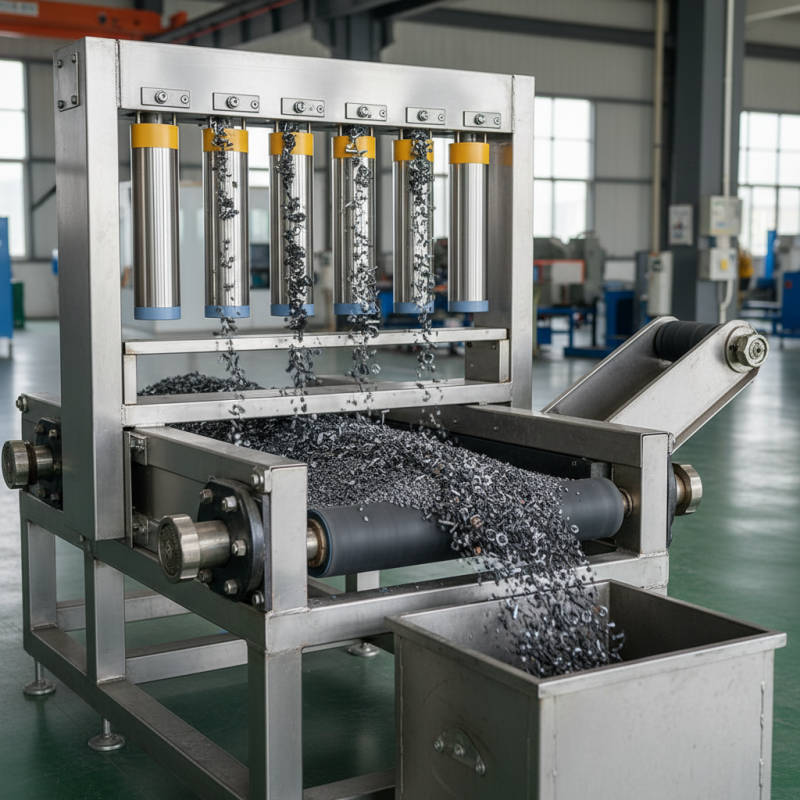
Magnetic separator machines play a crucial role in various industries. They help in the efficient separation of metallic impurities from products. By removing unwanted ferrous materials, these machines ensure the quality of finished products. According to a report by Research and Markets, the magnetic separator market is expected to grow significantly, driven by increasing demand in manufacturing and recycling sectors.
These machines utilize powerful magnets to attract and separate metal particles from bulk materials. They are widely used in industries such as food processing, pharmaceuticals, and mining. In the food industry, for instance, a study found that the use of magnetic separators can lead to a reduction in contamination risk by up to 90%. Proper installation and regular maintenance are essential to ensure peak performance.
Tip: Consider the installation location carefully. Ambient temperature and humidity can affect performance.
Another aspect to consider is the type of material being processed. Different designs, like permanent and electromagnetic separators, may perform better depending on specific needs. It’s essential to assess the characteristics of your input materials to choose the right equipment. Sometimes, businesses underestimate the level of maintenance required, which can lead to efficiency loss over time.
Tip: Regular inspection allows for early detection of wear and tear. Prioritize maintaining optimal operating conditions for your magnetic separator machines.
Magnetic separator machines play a crucial role in various industries. They significantly enhance productivity and efficiency. These machines are vital in sectors like mining, food processing, and recycling. According to a recent market analysis, the global mining sector alone is expected to grow by 5.6% annually. Magnetic separation is key to improving ore quality.
In food processing, it helps prevent contamination. Food safety regulations demand strict controls. A report from the Food Safety Council states that contamination can lead to a 15% loss in production efficiency. Implementing magnetic separation can mitigate these risks.
Tips: Regular maintenance of magnetic separators is essential. Ensure they are cleaned periodically to avoid accumulation of materials. Also, personnel training on equipment use is critical. Employees should understand the operational principles to maximize effectiveness.
In recycling, magnetic separators enhance material recovery rates. They can separate ferrous metals from waste streams. Statistics show that recycling rates could increase by up to 30% with effective separation technologies. Despite advancements, some industries still face challenges in implementation. Balancing initial investment with long-term benefits remains a complex decision.
In the manufacturing and processing industries, product quality is paramount. One effective solution for enhancing product quality is the use of magnetic separator machines. These machines can eliminate metal contaminants from materials, ensuring that the final product is pure and safe for consumption. According to a report by the International Journal of Advanced Manufacturing Technology, businesses utilizing magnetic separation technology have documented a 30% reduction in contamination levels.
Implementing magnetic separation can significantly improve operational efficiency. By removing ferrous and non-ferrous particles, production processes become cleaner and reduce the risk of equipment damage. Statistics show that approximately 20% of machinery maintenance costs are attributed to contamination. Hence, businesses that invest in magnetic separators can see substantial savings over time.
However, it is essential to note that not all magnetic separators perform equally. Some may not catch smaller contaminants, leading to inconsistent product quality. Regular testing and evaluation of the equipment are necessary to ensure optimal performance. While many companies have embraced this technology, there is still room for improvement in adopting a systematic approach to monitor and maintain these machines effectively.
The cost-effectiveness of magnetic separator machines is a key advantage for many businesses. These machines efficiently remove metallic contaminants from materials, enhancing product purity. This leads to significant savings in production costs. When magnetics capture unwanted metal, it prevents costly equipment damage. It can save on repairs and downtime, which can account for a substantial expense.
Investing in a magnetic separator can result in long-term financial benefits. The initial cost may seem high, but the reduction in material wastage pays off quickly. Businesses often notice improved quality, leading to better customer satisfaction. Returning customers mean increased revenue. Regular maintenance and proper usage keep the machine operating efficiently.
However, some companies may overlook the necessity of such equipment. They might find initial costs daunting. Yet, ignoring this technology can lead to higher expenses later. Capitalizing on the benefits of magnetic separation creates a more profitable and sustainable business model.
The adoption of magnetic separator technology has notable environmental benefits. These machines play a critical role in various industries, particularly in waste management and recycling. Studies indicate that using magnetic separators can improve material recovery rates by up to 95%. This efficiency is essential for reducing landfill waste and promoting sustainability.
Reducing environmental impact is not just about efficiency. Magnetic separators help eliminate harmful contaminants from recyclable materials. By extracting metals from waste streams, businesses reduce pollution and promote cleaner production processes. A report from the Recycling Industry Association highlights that recycling metals through such technologies can decrease carbon emissions by up to 30%.
However, while magnetic separators offer significant advantages, they require consistent maintenance and proper operation to achieve optimal results. Many businesses overlook this crucial aspect. If regular checks are not performed, the efficiency of the separators can diminish over time. As industries push for cleaner operations, addressing these operational challenges is vital for maximizing the environmental benefits of magnetic separator machines.
